How Many Types of Hopper Windows Are There? Best Scenarios & Expert Guide
If you’re looking to renovate your basement, transform your bathroom, or improve the lighting and ventilation of a small space, you’ve likely heard the term “hopper window.” This unique window design plays a small but crucial role in many buildings. But what exactly is it? And why is it often superior to sliding windows in certain rooms? In this guide, I’ll explain everything about hopper windows in detail.
What is a Hopper Window?
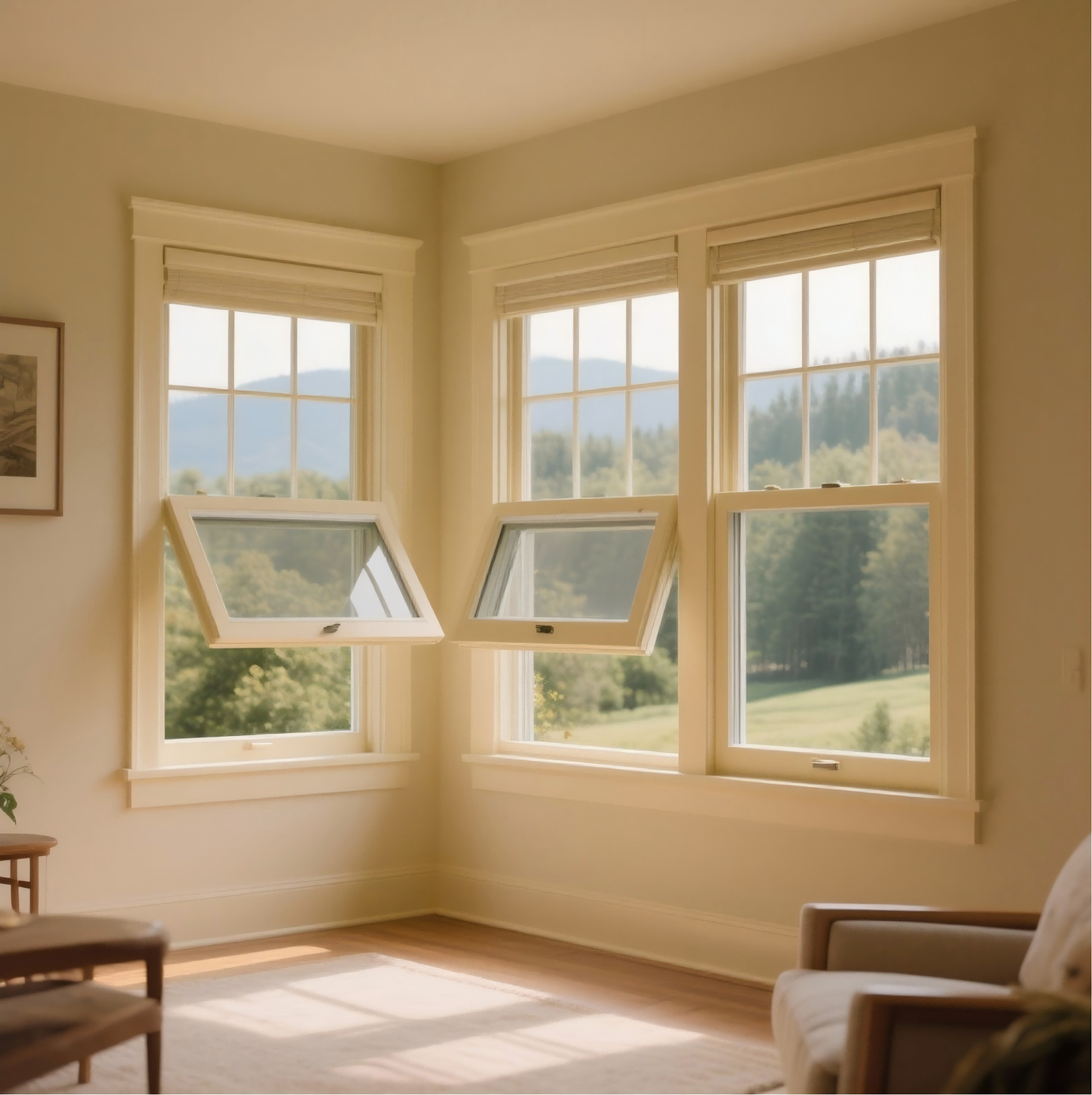
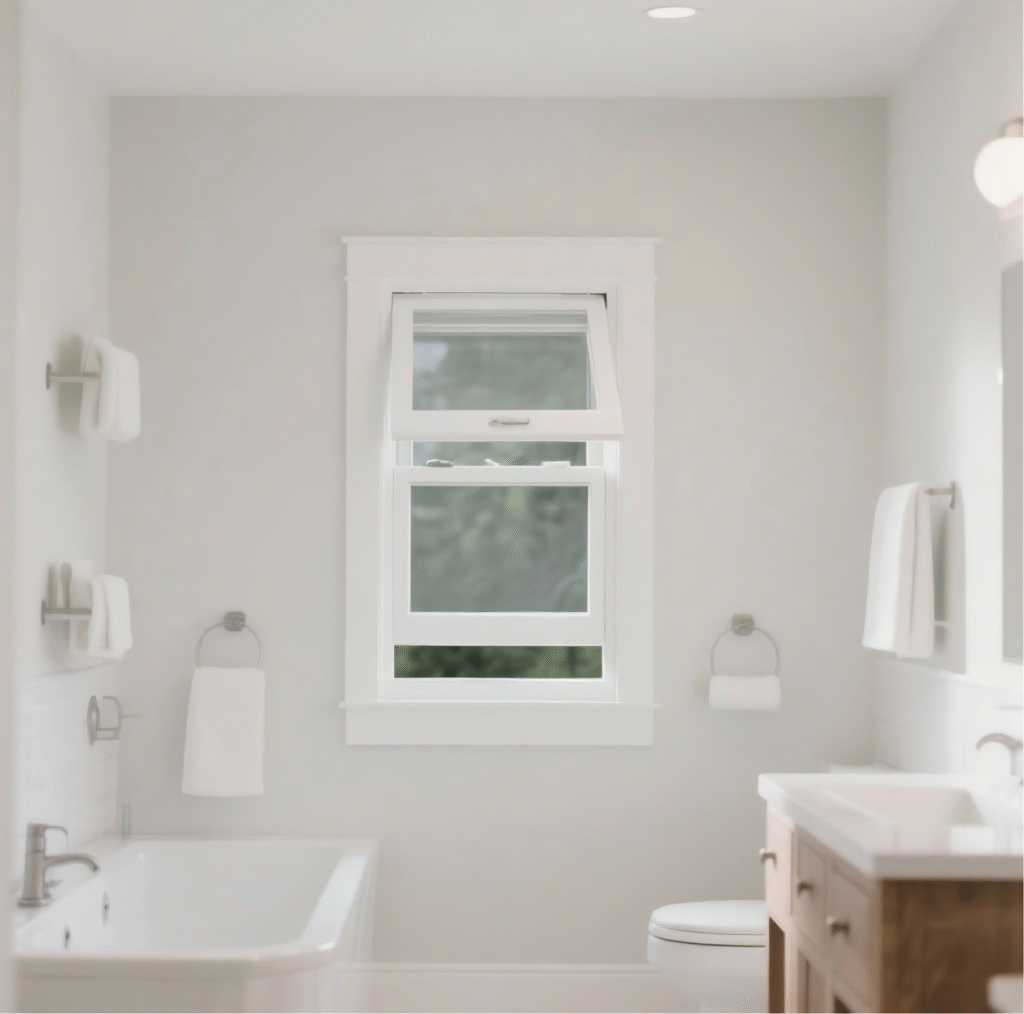
The bottom-hung window is a compact design hinged at the bottom that opens inward at the top, providing controllable ventilation while ensuring privacy and security. This design makes it particularly suitable for basements, bathrooms, laundry rooms, utility closets, and other spaces with limited wall area or external clearance. Because the sash tilts inward, bottom-hung windows are easy to clean from inside and remain functional even in light rain. Their sealing structure and opening mechanism make them a mainstream choice for air circulation in compact or damp areas.
Hopper Window Has How Many Types? Suitable for Which Scenarios?
Hopper windows come in several types, primarily differentiated by materials and applications. Here’s a breakdown of common varieties and their ideal uses:
- Vinyl Hopper Windows: Affordable, low-maintenance, and moisture- and corrosion-resistant. Suitable for damp environments such as bathrooms or laundry rooms, where good waterproofing is crucial.
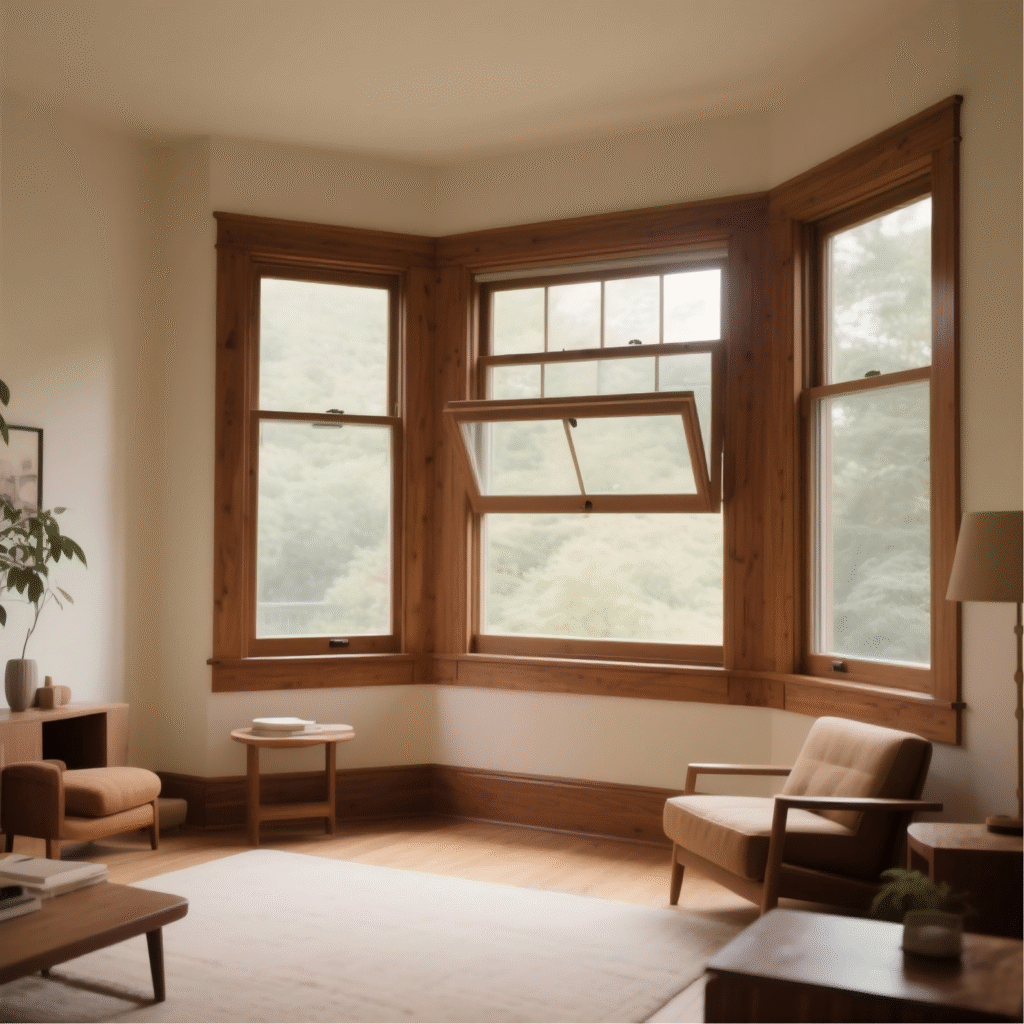
- Wood Hopper Windows: Combining natural aesthetics with excellent thermal insulation. Suitable for dry indoor areas such as home offices or stairwells, but require routine maintenance to prevent warping.
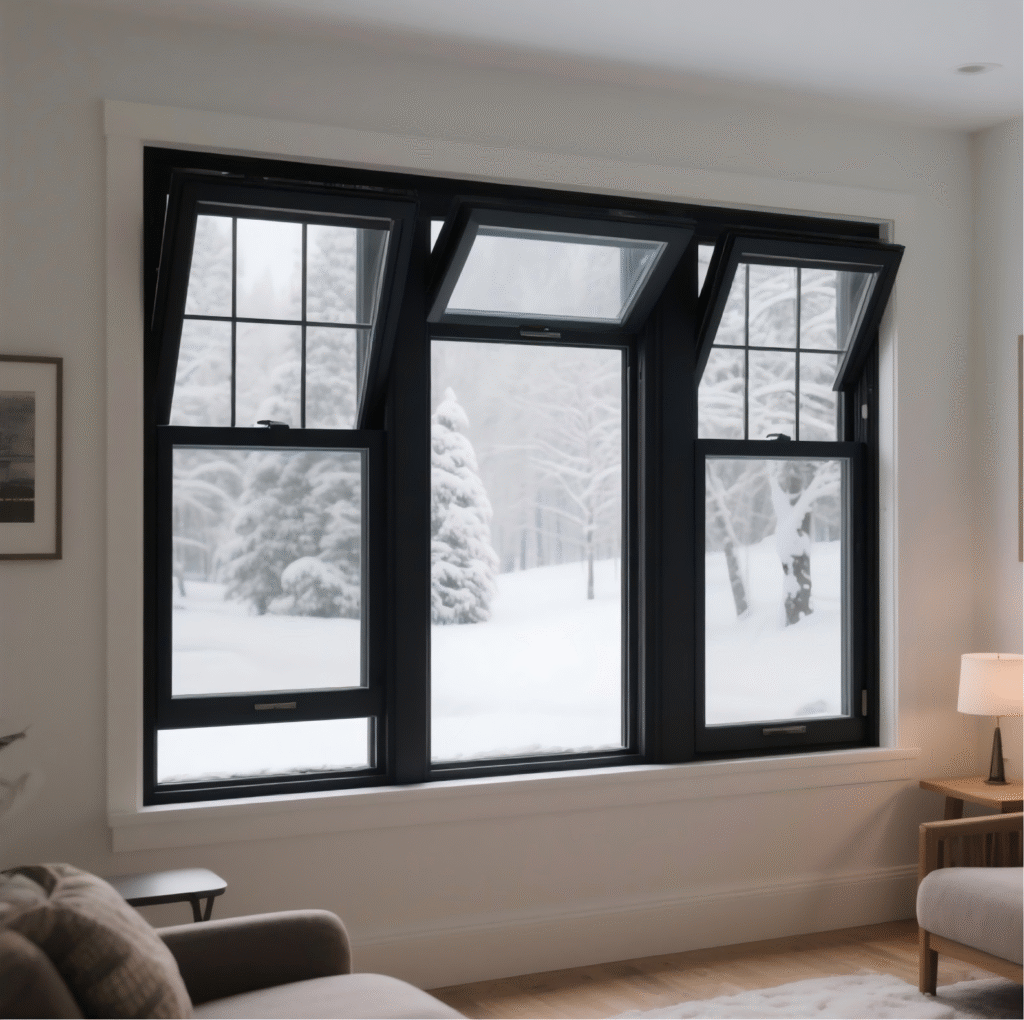
- Fiberglass Hopper Windows: Durable, requires minimal maintenance, and exhibits minimal expansion due to temperature changes. Suitable for extreme climates, such as cold basements or hot attics.
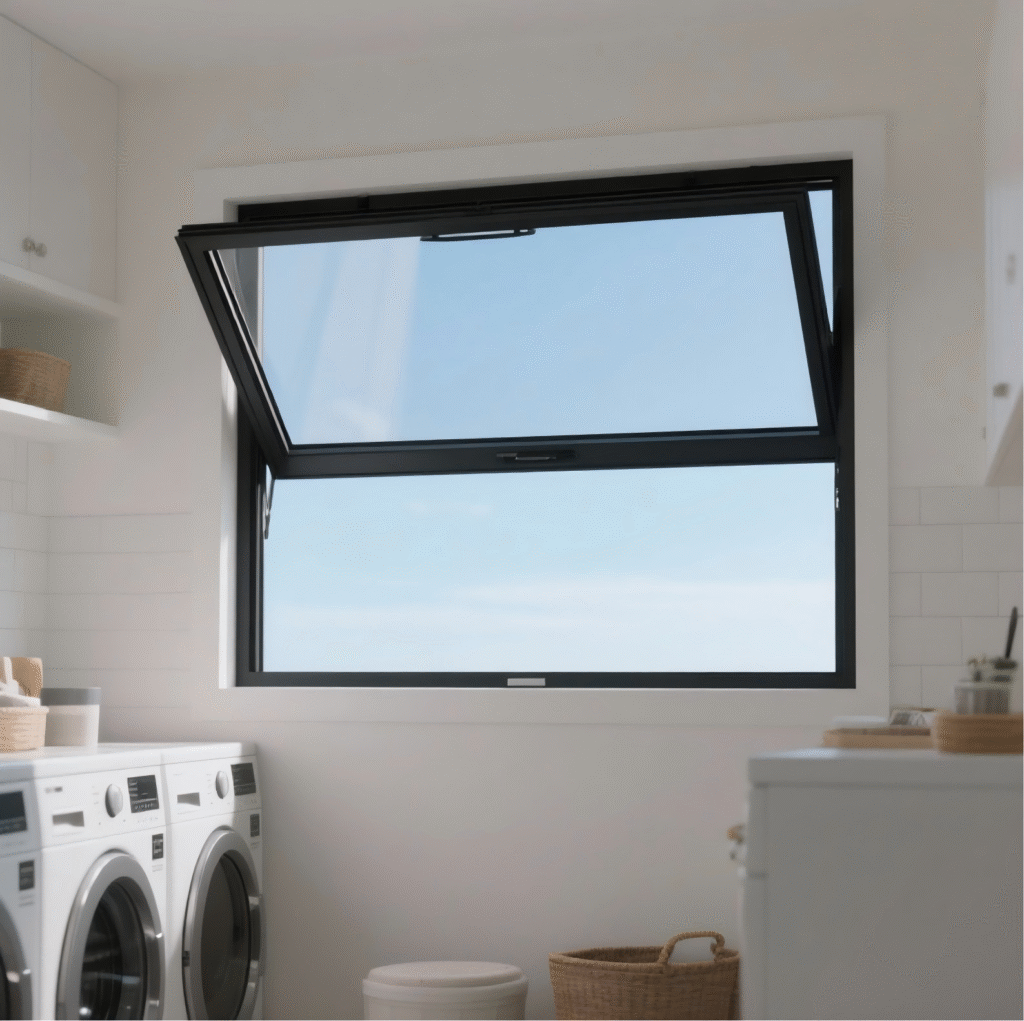
- Aluminum Hopper Windows: Relatively robust and durable, safe and reliable, commonly used in commercial or modern residential environments. Steel models have low maintenance costs and a simple, aesthetically pleasing appearance.
How is the Price of a Hopper Window Determined?
| Material | Typical Dimensions | Price Range (USD, per Window) | Features |
|---|---|---|---|
Vinyl |
24″ x 12″ to 36″ x 24″ |
$100 – $300 |
Affordable, moisture-resistant; great for basements. |
Wood |
24″ x 18″ to 48″ x 24″ |
$200 – $500 |
Aesthetic appeal, natural insulation; requires maintenance. |
Fiberglass |
30″ x 18″ to 36″ x 24″ |
$300 – $600 |
Durable in extreme weather; energy-efficient upgrades add cost. |
Aluminum |
24″ x 12″ to 36″ x 18″ |
$150 – $400 |
Strong and secure; low maintenance, ideal for commercial use. |
The price of sliding windows can vary significantly due to multiple factors. The material of the window frame is a key factor affecting cost, with vinyl being the most affordable option, while fiberglass, aluminum alloy, and wood frames command higher prices. Glass options such as double-pane, triple-pane, tempered glass, or low-emissivity (Low-E) coating also impact overall cost and energy efficiency.
Hopper Window: Advantages and Disadvantages
Advantages:
- Superior Ventilation: Opens inward to allow external airflow circulation—achieving up to 100% opening width compared to partially opening window types like sliding windows.
- Space-saving design: Compact dimensions fit into tight spaces, making it ideal for basements or bathrooms without protruding outward.
- High Security: Superior sealing performance minimizes air leakage, while the inward-tilting design adds an extra layer of protection against break-ins.
- Easy Maintenance: Inward opening makes cleaning the exterior simple from inside the home.
- Cost-effectiveness: Typically more affordable than large windows, offering significant price advantages.
Disadvantages
- Limited View and Light: Their small size and inward tilt restrict natural light and outdoor views, making them less suitable for main living areas.
- Dust and Debris: Opening inward can allow indoor dust to accumulate on the sill or let allergens enter more easily during use.
- Installation Challenge: Inward operation may collide with fixed interior furniture such as cabinets, requiring proper placement of furniture.
- Does not meet requirements:In many regions, standard hopper windows do not meet minimum egress size requirements for emergency exits, making them unsuitable for certain basement bedrooms.
Hopper Window vs. Other Window Styles
| Feature | Hopper Window | Awning Window | Sliding Window | Casement Window |
|---|---|---|---|---|
Ease of Cleaning |
Easy |
Difficult |
Easy |
Moderate |
Opening Direction |
Inward |
Outward |
Slides Left/Right |
Outward |
Rain Protection |
Low |
High |
Neutral |
Low |
Air Tightness |
Excellent |
Excellent |
Average |
Excellent |
Best Scenario |
Basements |
Ventilation during light rain |
Wide openings |
Maximum ventilation |
YoloDeco manufactures all of the above window types and offers other custom window designs. If you’re interested, feel free to contact us for a complimentary consultation.
How Do I Choose the Right Hopper Window for Me?
In my years of experience, selecting the right hopper window isn’t just about looks; it also depends on specific needs. Follow these three steps:
- Measure Wall Thickness: A small percentage of the clients I’ve worked with are overlooked. Basement concrete walls have varying thicknesses. You need to know this if you require a window with jamb extensions or a standard fit.
- Determine the purpose:For example, laundry rooms. Select models with a wider opening angle to ensure maximum ventilation performance and usability in humid environments.For example, storage rooms. Choose slim aluminum alloy frames to maximize glass area, thereby increasing natural light intake.
- Verify installation environment: If you reside in a rainy region, ensure the ground outside the window slopes away from the window or install a window well cover, as funnel-shaped window wells cannot effectively block rainwater.
Hopper Window Sizes and Safety Considerations
Sliding windows are typically smaller than standard residential windows, commonly ranging from 14 to 36 inches in width and 12 to 24 inches in height, though custom sizes are available. During installation, wall thickness, opening dimensions, and the internal space required for inward-opening sashes must be considered.
From a safety perspective, sliding windows are often used in basements and utility rooms but should not serve as emergency exits unless they meet local escape code requirements. For households with children, installing window opening restrictors or safety locks enhances security. In areas with higher impact risks, such as bathrooms or low-mounted windows, tempered glass is recommended.
FAQ
A:Since the window sash opens inward into the room, the insect screen is almost always installed on the exterior of the window frame.
A: They are actually very secure. Their small size and high placement make them difficult to access. Furthermore, the hinge placement at the bottom makes them hard to leverage open from the outside.
A:The three biggest issues are:
- Rain Entry: They act like a funnel and catch water if left open during rain.
- Obstruction: The inward tilt often hits curtains or blinds.
- Debris: They easily trap leaves and dirt when installed near ground level.