Maple Kitchen Cabinets in 2026: Why Everyone Is Choosing Them
According to the NKBA Kitchen Trends Report for 2026, light-colored natural wood cabinets are experiencing a significant resurgence, accounting for over 40% of purchases. Maple cabinets offer an excellent solution to these concerns. They are durable, versatile, customizable in finish, and can maintain a lifespan of 20-30+ years. Below, I’ll systematically analyze why maple cabinets deserve priority consideration, drawing from real-world project experience and the latest industry data.
What Are Maple Cabinets?
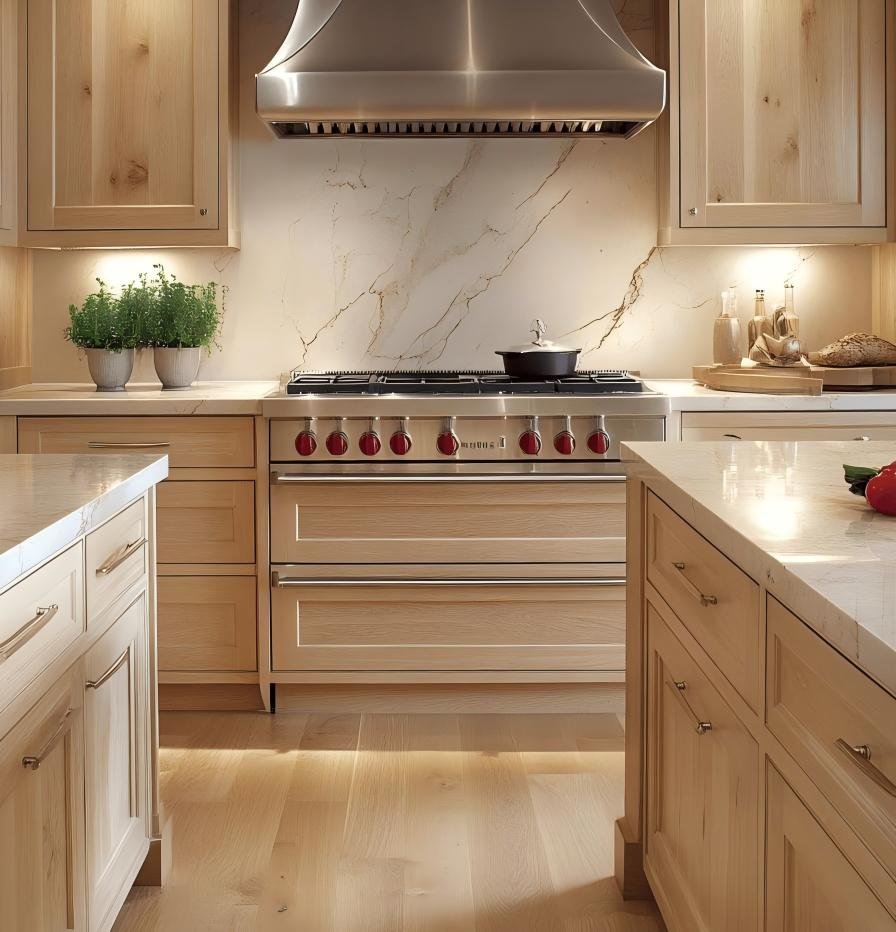
In the ever-evolving realm of cabinetry design for 2026, maple cabinets once again stand as the gold standard for homeowners seeking natural beauty and exceptional quality.
As a North American hardwood, maple is renowned for its tight, uniform grain and smooth, warm texture. With a Janka hardness rating of 1450, it is harder than oak in most applications and offers greater quality assurance, making it an increasingly ideal choice for cabinetry.
Price Range for Maple Cabinets in 2026
In 2026, maple cabinets will remain a mid-to-high-end investment due to the supply-demand dynamics of premium maple wood. For a standard 10×10-foot kitchen:
- Ready-made or assembled maple cabinets → $2,500 to $5,000
- Semi-custom (maple cabinets with customizable stains or finishes) → $5,000 to $8,000
- Fully custom modern maple kitchen cabinets → $8,000 to $15,000+
Pricing per linear foot is projected at $150 to $600, with premium finishes or upgrades like custom hardware commanding higher costs for maple cabinets with swing doors. However, the initial investment correlates positively with reduced maintenance and usage costs over time.
The Pros and Cons of Maple Cabinets
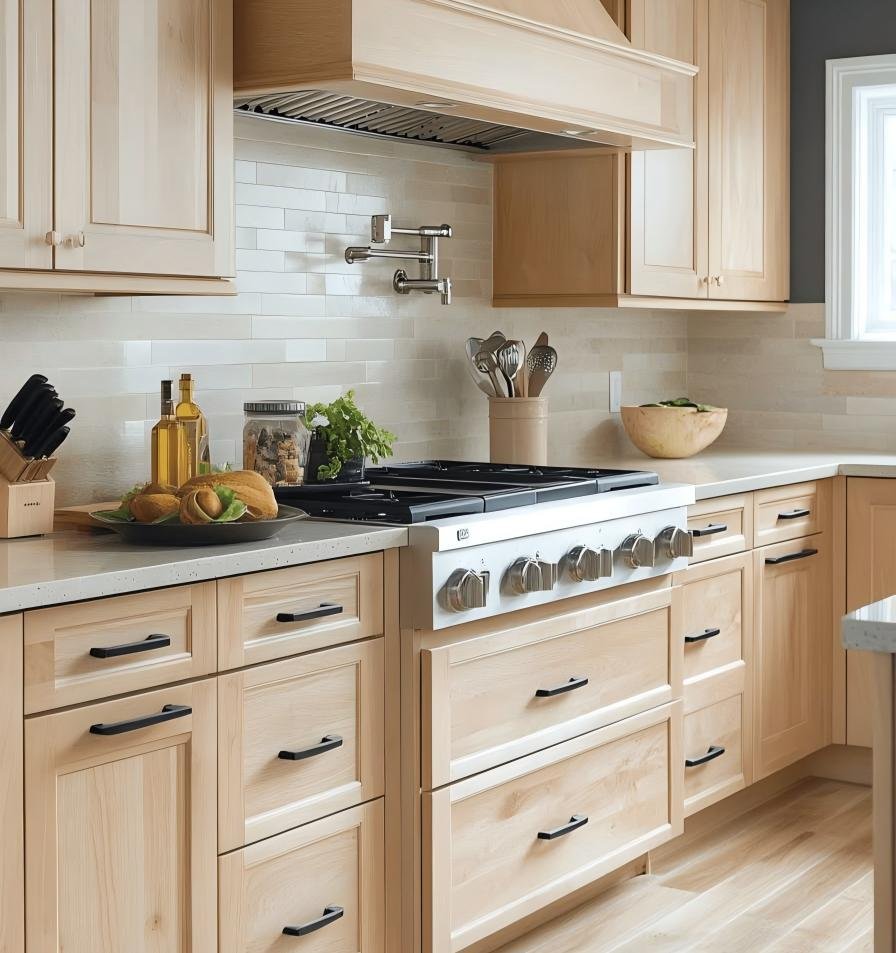
To make the right choice that suits your needs, you need to thoroughly understand the pros and cons of maple cabinets. Below is an in-depth analysis of the advantages and disadvantages of maple cabinets.
Advantages: Why Choose Maple Cabinets?
- Durability and Hardness:Maple is exceptionally resilient. With a Janka hardness rating of 1450, it surpasses red oak, birch, and ash. It resists deformation from daily use, maintaining its original appearance over time with minimal maintenance.
- Versatile Choice:Its smooth texture, warm feel, and naturally high moisture content provide a comfortable surface year-round, making it an excellent foundation for cabinets. Maple’s fine, uniform grain also makes it ideal for painted or stained finishes.
- Sustainability and Carbon Sequestration:Sustainability remains a core focus. According to the American Hardwood Export Council (AHEC) sustainability guidelines, North American maple is a carbon-negative material. “One cubic meter of American maple creates a significant carbon sink. Maple forests increase in volume each year, meaning harvest rates are far below growth rates. This makes maple a green, low-carbon choice for environmentally conscious homeowners.”

Disadvantages: What to Watch Out For
- Prone to Scratches:Though maple wood is hard, its smooth surface makes scratches more noticeable than on textured woods like oak. Therefore, I personally recommend applying paint or a finish for decoration.
- Yellowing:Natural maple exposed to sunlight gradually develops a warm amber hue over time due to UV exposure. I recommend using water-based coatings containing UV inhibitors during routine maintenance to slow this process.
- Staining Difficulty:This is a common mistake. While maple is excellent for painting, staining yields different results. Due to the wood’s density characteristics, dark stains may appear mottled or uneven. We recommend using a “staining” or “spray staining” technique to ensure even color distribution across the wood surface.
Data Battle: Maple vs. Oak vs. Walnut
To answer the question “Which wood is best?”, the table below compares maple, oak, and walnut based on 2026 data, focusing on durability, cost, and style compatibility. Walnut edges out the others in luxurious feel, oak offers affordability, while maple excels in versatility.
| Aspect | Walnut | Maple | Oak |
|---|---|---|---|
Hardness (Janka) |
1010 (Moderate) |
1450 (Very Hard) |
1360 (Hard) |
Color |
Creamy White |
Wheat / Tan |
Dark Chocolate |
Grain Texture |
Smooth / Subtle |
Strong / Open Grain |
Rich / Swirled |
Cost |
Premium due to scarcity |
Mid-range |
Most affordable |
Learn more about oak and walnut cabinets
Are Maple Cabinets Still in Style?
Yes—even in 2026, maple cabinets will remain a top choice for most people. This is mainly because they are both aesthetically pleasing and practical. Designers and homeowners continue to favor maple for its clear grain, exceptional hardness and durability, and versatility in handling a variety of finishes, from natural wood to high-quality lacquer. In practice, maple is frequently used in modern, transitional, and minimalist kitchens because of its visual simplicity and long-term reliability.
Maple Cabinet Style
If you’re unsure about the style of maple cabinets, you can refer to some of our maple cabinet projects.
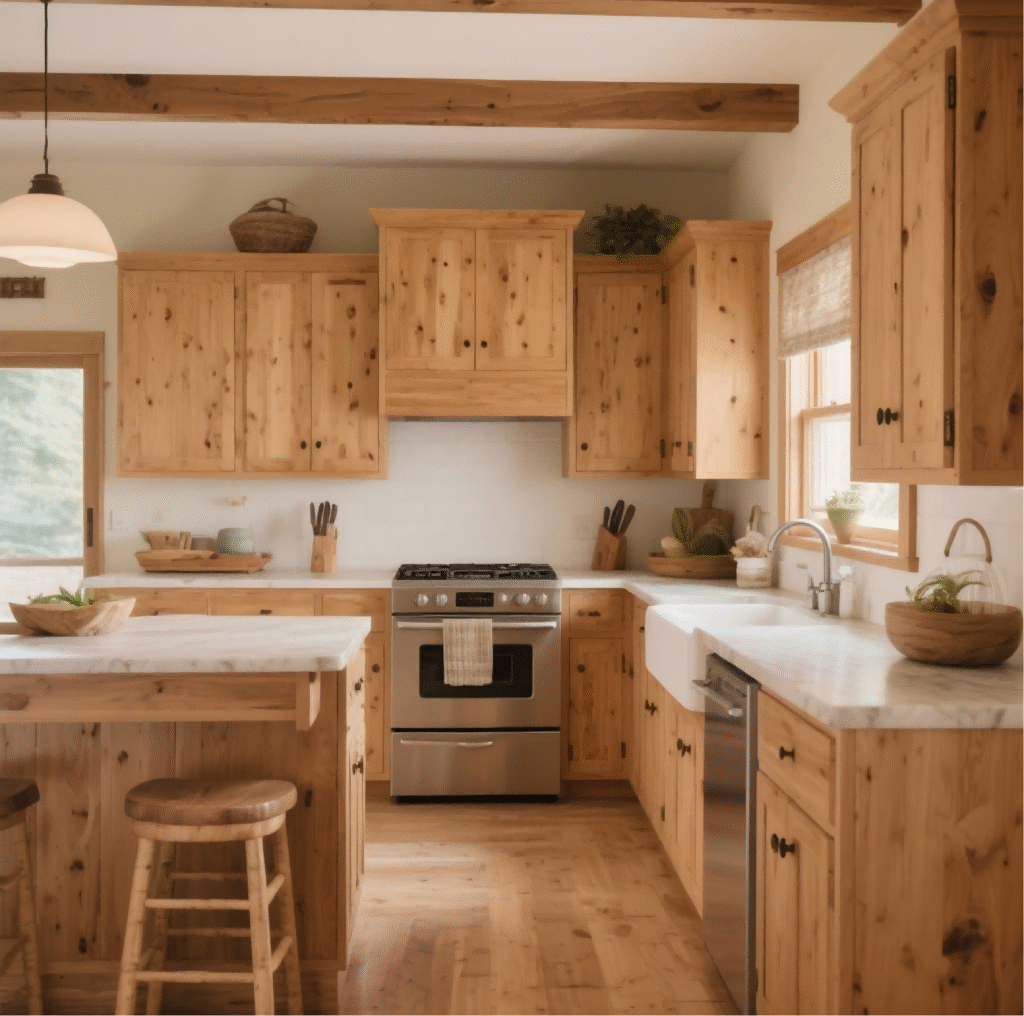
Style One: Raw Natural Aesthetic
Concept: Natural maple cabinets, unstained and finished with a transparent matte sealant, dedicated to creating the most naturally authentic maple kitchen cabinets.
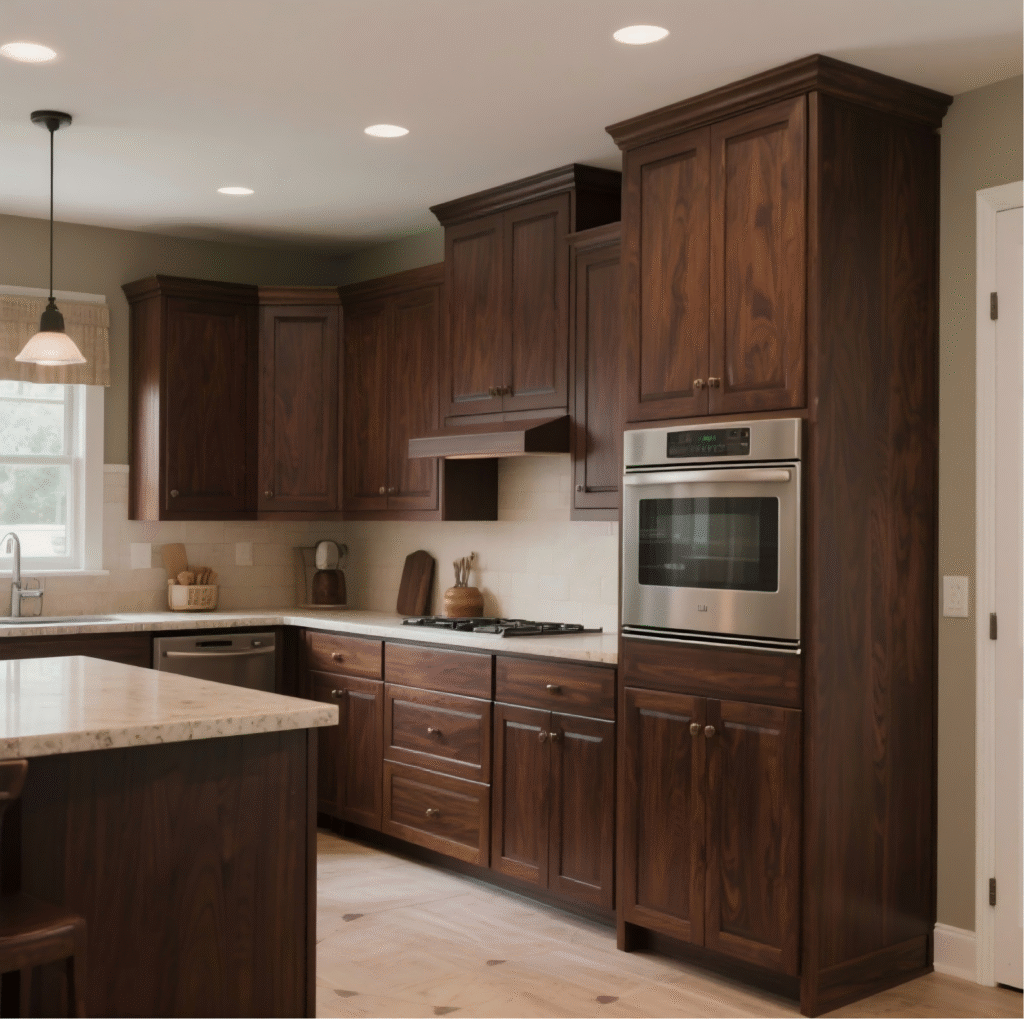
Style Two: Coffee Brown
Concept: Coffee-stained maple cabinets achieved through deep staining. Customize your preferred shade with our DIY options, combining attractive aesthetics with premium wood for long-term durability.
Style Three: Classic Cradle-Style
Concept: Cream-colored maple cradle-style cabinets blend farmhouse charm with modern rustic appeal. Maple’s natural grain combined with stained finishes creates timeless cabinetry.

Style Four: Modern Flat-Panel
Concept: Horizontally-grained flat-panel maple offers a sleek, modern aesthetic while reducing fabrication costs. This approach delivers premium wood quality at an affordable price point.

FAQ
A:Honey maple has warm golden-orange undertones, so the best granite pairings are warm neutrals: classics like Santa Cecilia, Giallo Ornamental, Tan Brown, or Venetian Gold complement perfectly without clashing. For a more modern contrast, I often suggest lighter beige or cream granites like Kashmir White to brighten the space while keeping harmony.
A:Maple cabinets are mid-range pricing—more than budget particleboard or thermofoil, but comparable to or slightly less than premium oak or cherry in similar quality tiers. In 2026, expect $150–$600 per linear foot depending on stock vs. custom. The real value comes from longevity; many of my clients find them cost-effective over 20+ years compared to frequent replacements of cheaper materials.
A:Easy updates I’ve used successfully: swap to sleek hardware (matte black or brushed nickel pulls), paint or stain in contemporary tones (gray-wash or white for painted maple), pair with quartz counters in white/gray veins, add open shelving or glass-front uppers, and incorporate under-cabinet LED lighting. These simple changes transform traditional honey or natural maple into clean, current modern maple kitchen cabinets.
A:Yes—it’s one of my top recommendations for kitchens. Excellent hardness (Janka 1450), fine grain for smooth finishes, natural moisture resistance, and proven 20-30 year lifespan make it highly practical. It’s especially good if you want versatility in staining/painting while getting real wood durability.
A:
They can be—premium custom maple (especially quarter-sawn or with high-grade finishing) absolutely qualifies as high-end due to craftsmanship and longevity. Stock maple is more mid-range, but even then, the material quality often outperforms painted MDF or laminate at similar prices, giving a luxury feel without extreme cost.