Different Standard Closet Depths: Let Interior Experts Tell You All About It
Have you ever closed your closet door only to find your favorite coat’s sleeve stuck in the door? Or noticed your clothes hanging crookedly? These are typical signs of inadequate standard closet depth. As a professional deeply immersed in the furniture industry, I can tell you that depth is the most crucial element in any closet design. Let’s learn about the industry standards for standard closet depth to reduce the hassles you’ll encounter during renovations.
The Basic Standards for Standard Closet Depth
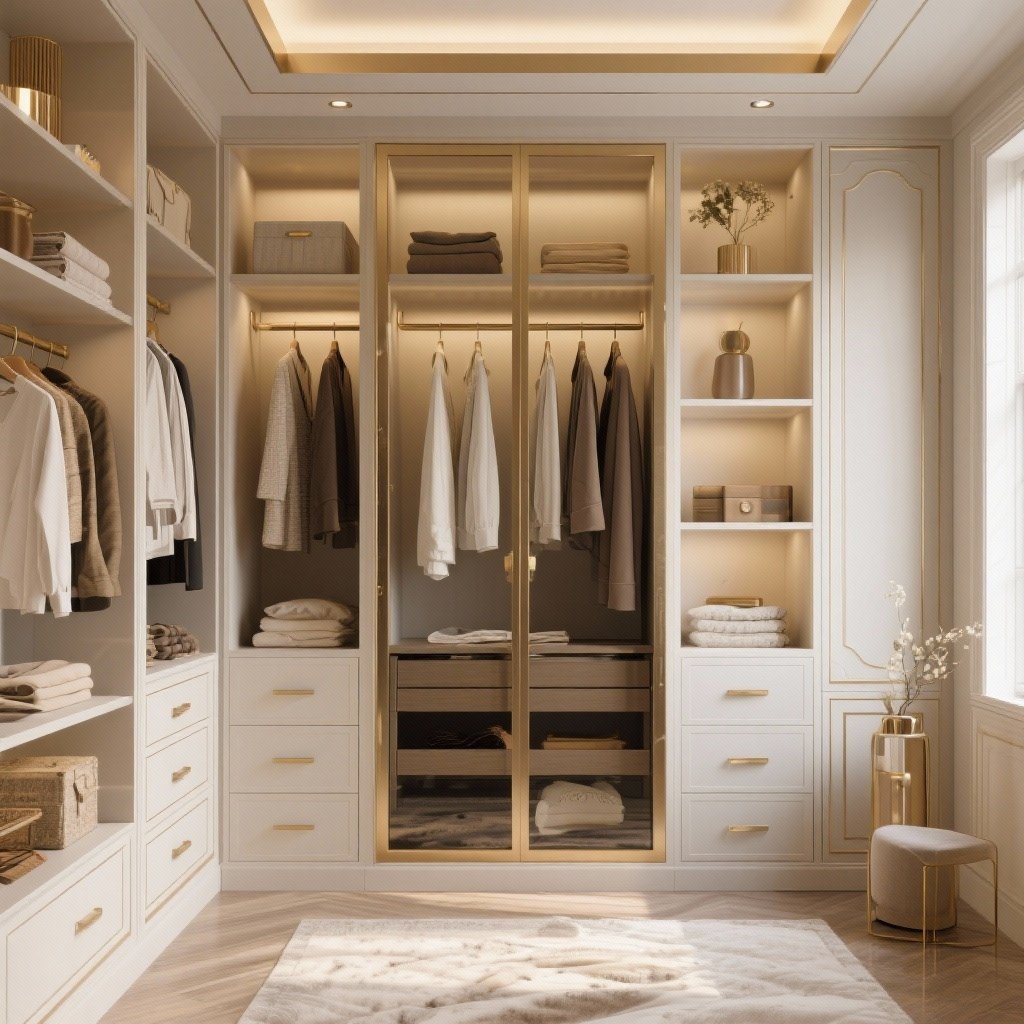
The standard closet depth is generally between 22 to 24 inches, providing ample space for hanging clothes. This size ensures clothes don’t bunch up against the back wall while maintaining a compact design. However, for added comfort or to store heavier items like coats, closet can be up to 28 inches deep. Factors such as shelf placement and door type affect a closet’s practicality—deeper closet may require sliding doors to avoid obstructing passage.
Different Closet Types Have Different Standards
Closets come in various types, each with tailored standard depths to suit specific storage needs and room layouts. Below, we outline common categories with their typical dimensions for optimal performance.
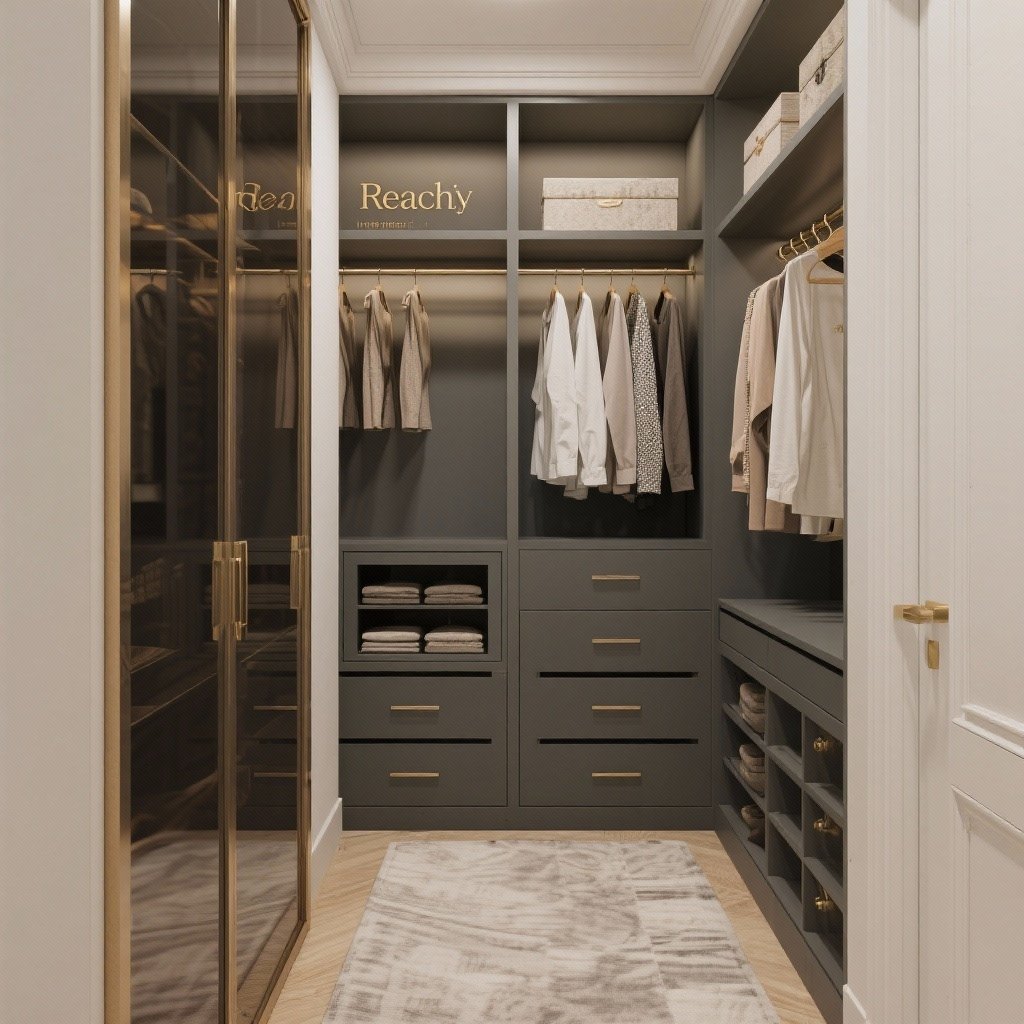
Reach-in Closets
This is the most common closet found in bedrooms, usually closed off by bi-fold or sliding doors.
- Standard Depth: 24 inches (minimum) to 27 inches.
- Pro Tip: If you plan to install sliding doors, you must increase the depth, otherwise they will take up most of your space. Sliding door tracks take up about 2-3 inches of internal floor space. If you build a 24-inch frame and add sliders, your actual internal usage space shrinks to 21-22 inches, which may be too tight. In my experience, I recommend aiming for a 26-28 inch frame depth for sliding doors.
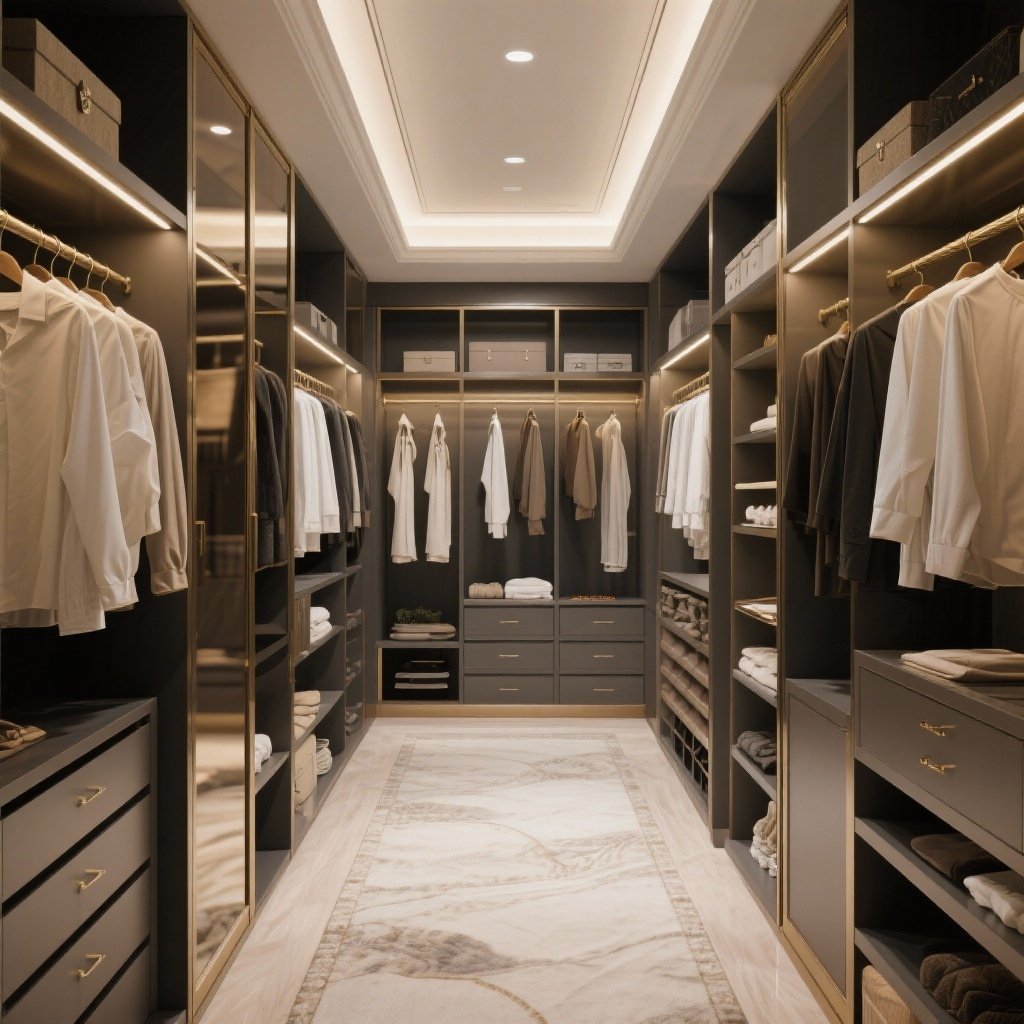
Walk-in Closets
In a walk-in closet, the depth we usually refer to refers to the depth of the cabinet modules or shelves, not the room itself.
- Hanging Sections: Still need 24 inches.
- Shelves: A depth of 24 inches is not necessary if you are storing T-shirts or shoes. Standard shelf depth is usually 14 to 16 inches.
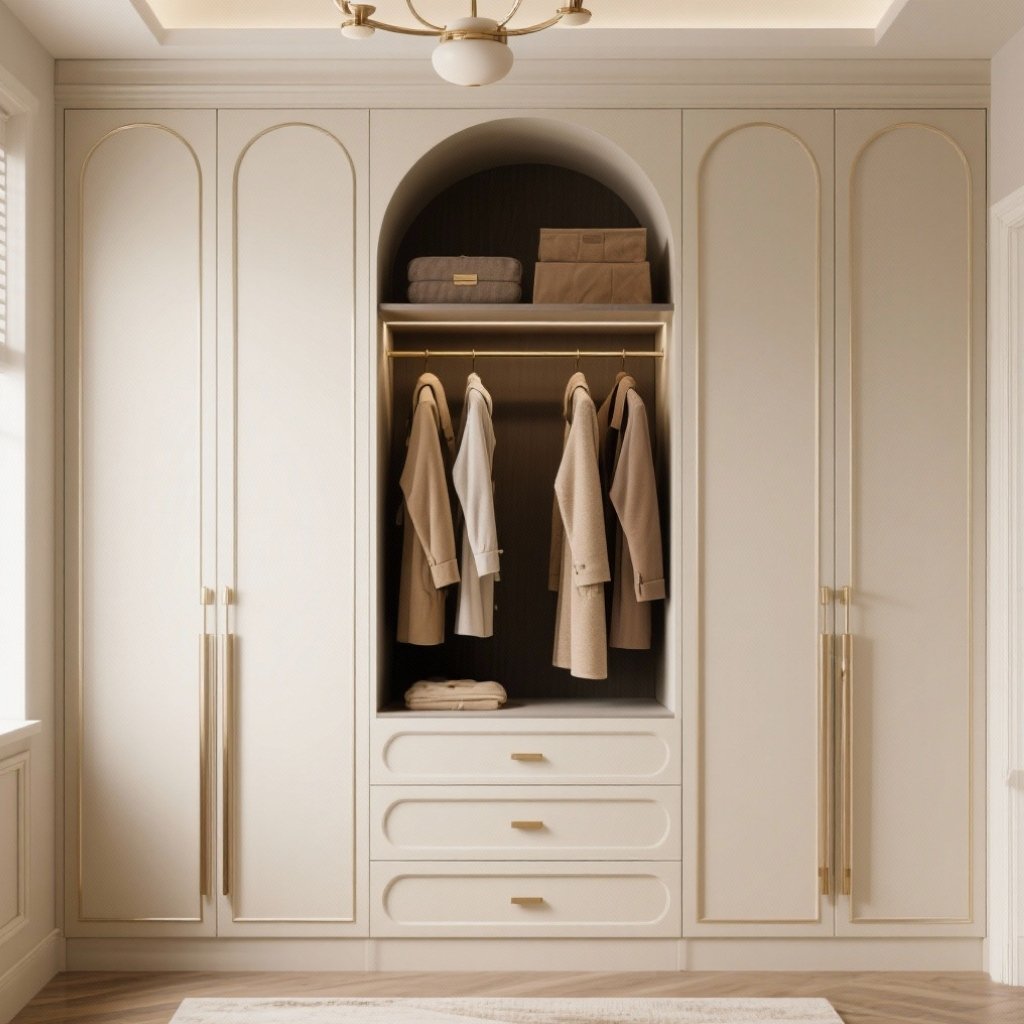
Coat Closets
Suitable for storing heavier clothing items such as jackets, parkas, and blazers.
- Standard Depth: 28 inches
- Reason: While a 24-inch door depth is barely adequate, heavy winter coats are thick and take up considerable space, and sleeves tend to stick out. A 28-inch door depth would ensure that thick clothing wouldn’t get stuck every time the door is closed.
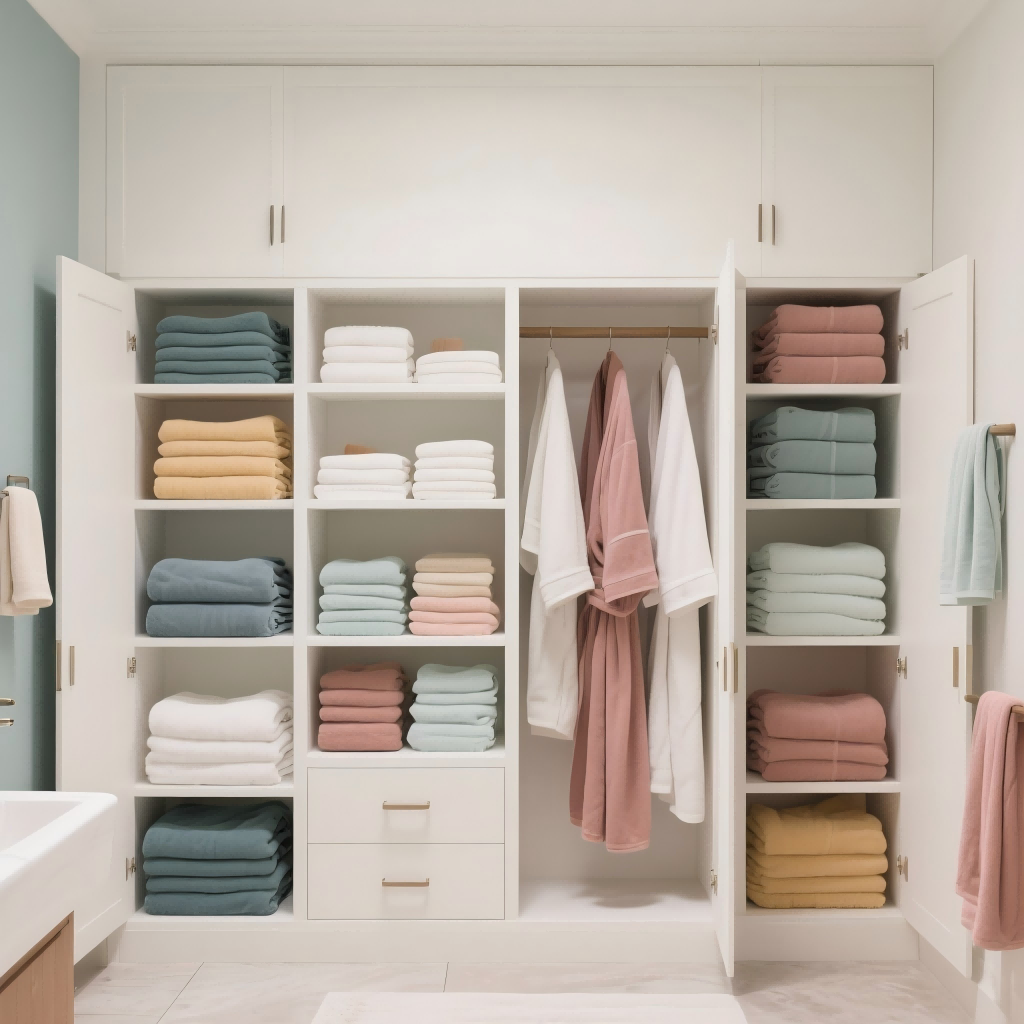
Linen Closets
These linen closets are for storing towels, sheets, and toiletries, so they aren’t very deep.
- Standard Depth: 15 to 24 inches.
- Recommendation: Avoid making linen fixtures deeper than 24 inches. If a shelf is too deep, small items (like soap bars or washcloths) get pushed to the back and forgotten. A shallower depth of 15-18 inches is often more practical for organization.
How Materials and Dimensions Impact Price
The cost of a closet varies significantly based on materials, size, and complexity. Larger closets or those with premium finishes can increase expenses due to more labor and resources. In 2025, expect to pay more for eco-friendly or durable options amid rising material costs. Custom designs add 20-50% to the price, while basic installations stay affordable.
| Material | Description | Price Range(USD per Linear Foot) | Factors Influencing Cost |
|---|---|---|---|
Particleboard |
Built-in drawers (3-6) |
$20 – $50 |
Basic for DIY; Lower durability. |
Plywood |
Sturdy, customizable veneers |
$40 – $80 |
Good for mid-range; moisture-resistant options add cost. |
Solid Wood |
Natural, high-quality finish |
$60 – $150 |
Premium appeal; staining/customization increases price. |
Metal |
Adjustable shelving |
$15 – $40 |
Economical for simple setups; rust-resistant versions higher. |
Hardwood |
Exotic woods |
$100 – $300+ |
Requires custom order/Expensive and time-consuming. |
Several Factors Affecting Closet Size There Are Two
Although the outline mentions several factors that influence closet size, there are two main common factors: room size and user needs.
Specifically:
- Available space – The depth of the bedroom is limited to avoid overcrowding, and the typical maximum depth for a walk-in closet is 24 inches.
- Storage needs – Families need deeper compartments to store larger items, and the varying storage needs of each individual will lead to different prices, thus affecting price fluctuations.
How do you know what size closet is suitable for a given space?
When a design company proposes closet dimensions, evaluate them by independently measuring your space—use a tape measure for width, depth, and height, ensuring at least 24 inches of depth for hanging. Assess functionality: Does it fit your wardrobe? Request 3D renderings or mockups and confirm compliance with local codes. If it feels cramped, suggest adjustments. Always get a second opinion from an interior design expert. If you have any questions or would like to consult an expert, you can contact YoloDeco for a free consultation.
FAQ
A:Indirectly—thicker materials like solid wood may require slight adjustments, but depth is more about usability.
A: Based on my experience, I estimate the price will be between $1,800 and $7,000, depending on size and materials.
A:“Depth” usually refers to the available clear space inside the closet. When framing walls, you need to account for the thickness of the back drywall (1/2 inch) and the framing studs (3.5 inches).