Sourcing building materials from China for a whole project? You can get every category from one supplier — cabinets, wardrobes, doors, windows, stairs and flooring, lighting, stone, furniture, furnishing, tile, sanitary ware, and appliances — under one contract — backed by our own factories plus a vetted partner supply chain, with one project manager, one QC trail, and one consolidated container. And if you need the full category spread but don't want to become an expert in six industries first — that is exactly the situation a one-stop supplier is built for. This page shows how it works in practice: every step, fully transparent, including the inspection records we hand to our own clients.
This is for: developers, contractors, importers, wholesalers, designers, and homeowners furnishing a whole house, villa, hotel, or multi-unit project.
Not for: single-category, container-scale programs (a specialized factory will beat us on price) or one-off retail purchases.

| Category | What Project Buyers Typically Source | Our Supply Line |
|---|---|---|
| Kitchen cabinets & wardrobes | Custom cabinets, wardrobes, bathroom vanities | Own factory |
| Doors & windows | Aluminum windows, interior & entry doors | Own factory |
| Stairs & wood flooring | Staircases, treads, engineered wood flooring | Own factory |
| Tile | Porcelain, ceramic, mosaic, large-format slabs | Audited partner factory + our pre-shipment QC |
| Sanitary ware | Toilets, basins, showers, faucets | Audited partner factory + our pre-shipment QC |
| Stone & marble | Countertops, sintered stone, slabs | Own factory |
| Lighting | Decorative & architectural lighting, switches | Audited partner factory + our pre-shipment QC |
| Furniture | Sofas, beds, dining, outdoor sets | Own factory |
| Furnishing & appliances | Curtains, wall panels, kitchen appliances | Audited partner factory + our pre-shipment QC |
What Splitting One Project Across Six Factories Actually Costs You
On paper, buying each category from a specialist factory looks cheaper. On a real project, here is where the savings go:
- Batch mismatch. Tile from two production lots shows shade variation under the same lighting. Cabinet white, door white, and wall-panel white are three different whites when nobody coordinates finishes across factories.
- Container coordination. Your cabinets finish in week 5, the tile in week 7, the sanitary ware "soon." Every extra week of warehousing and partial loading costs money — and whoever loads last gets blamed for the damage.
- QC finger-pointing. When the vanity arrives with the wrong hole position for the faucet, the cabinet factory blames the sanitary supplier. With six suppliers, you are the referee.
- Drawing drift. Door frames, flooring heights, and cabinet fillers all touch each other. Six factories means six interpretations of the same floor plan.
None of this means one supplier is always the answer — the limits are below. But for whole-house and multi-category orders, coordination is where projects actually lose money, not on unit prices. Here is how we run the alternative, with every step visible to you.
How George Group Runs a One-Supplier Project
One project manager, one order file. Your drawings, BOQ, and finish selections live in one place — and every milestone lands in that same file, so you can check where your order stands at any time, not just when we email you. We produce free 3D renderings and 2D shop drawings first — production starts only after you sign off (the design deposit is deductible from your material order).
Honest supply lines. Cabinets, wardrobes, doors, windows, stairs, wood flooring, furniture, and stone come from our own factories in Foshan. Tile, sanitary ware, lighting, furnishing, and appliances come from partner factories we audit — and every batch still goes through our in-house QC team before shipment. You get one accountable contact either way.
Total transparency, step by step. From signed drawings to loading, every stage closes with evidence you can open: renderings and shop drawings for your sign-off, sample photos and videos, milestone updates from the factory floor, then a live online QC report. You always know which step your order is on — and what comes next.
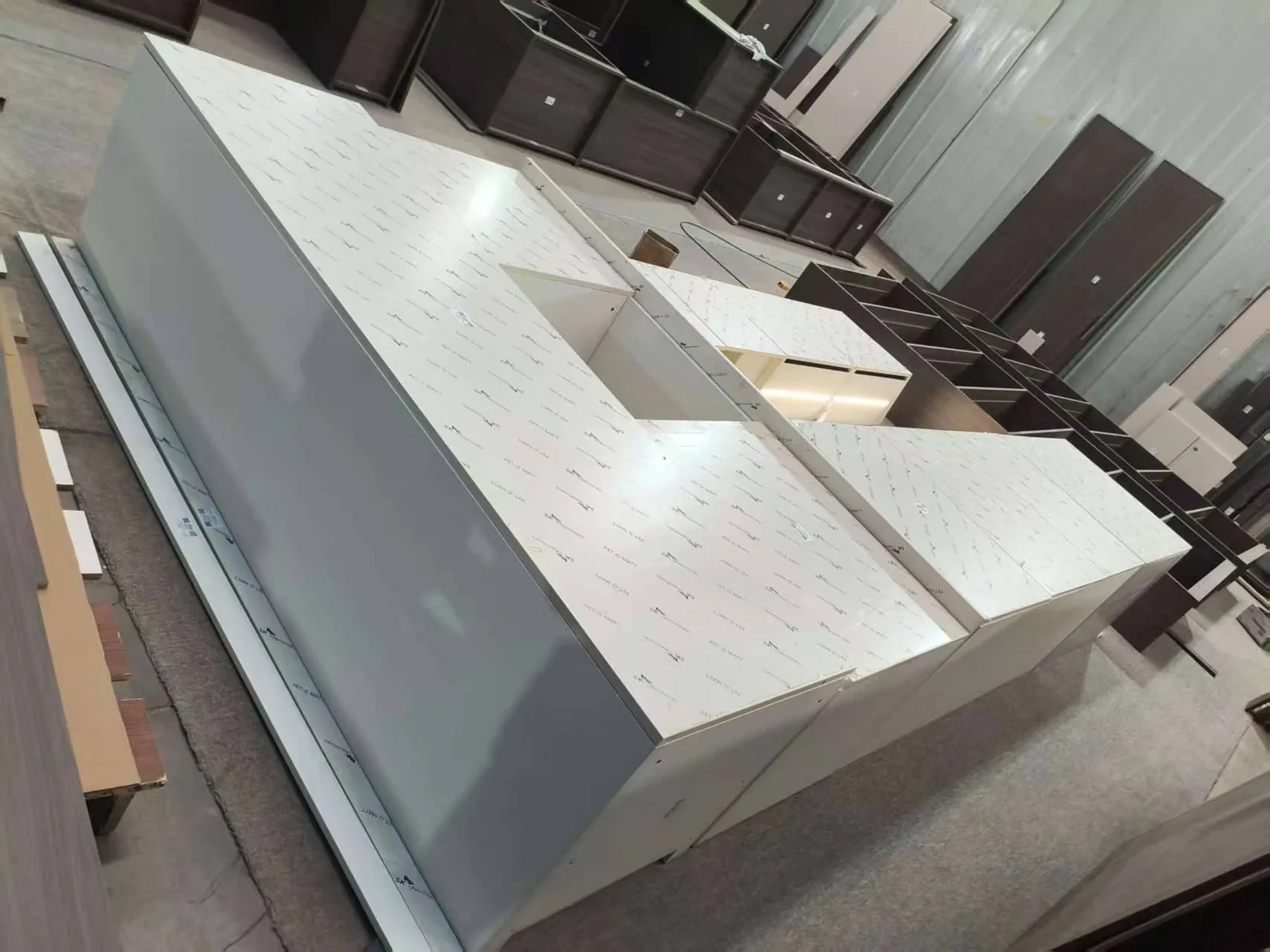
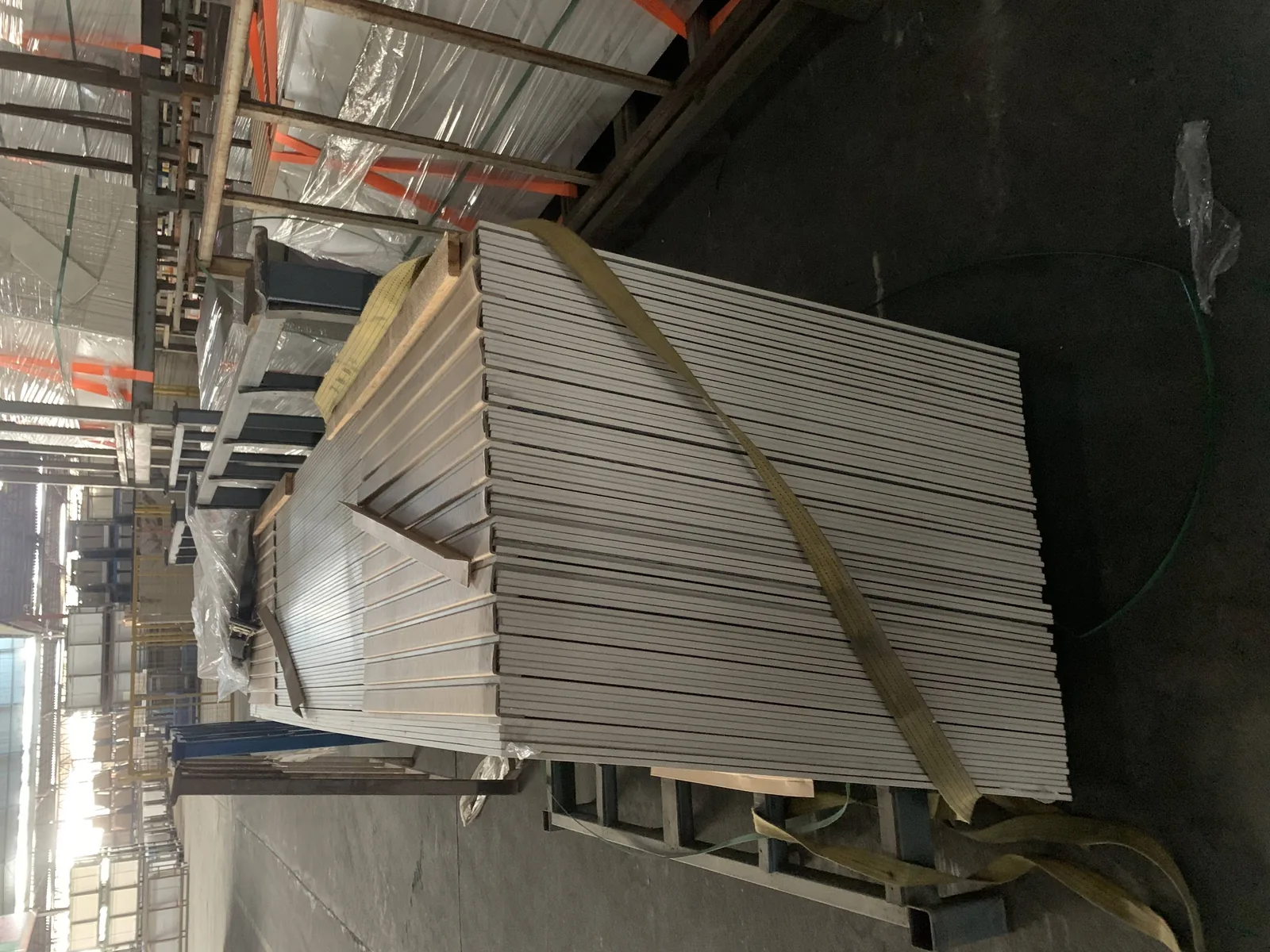
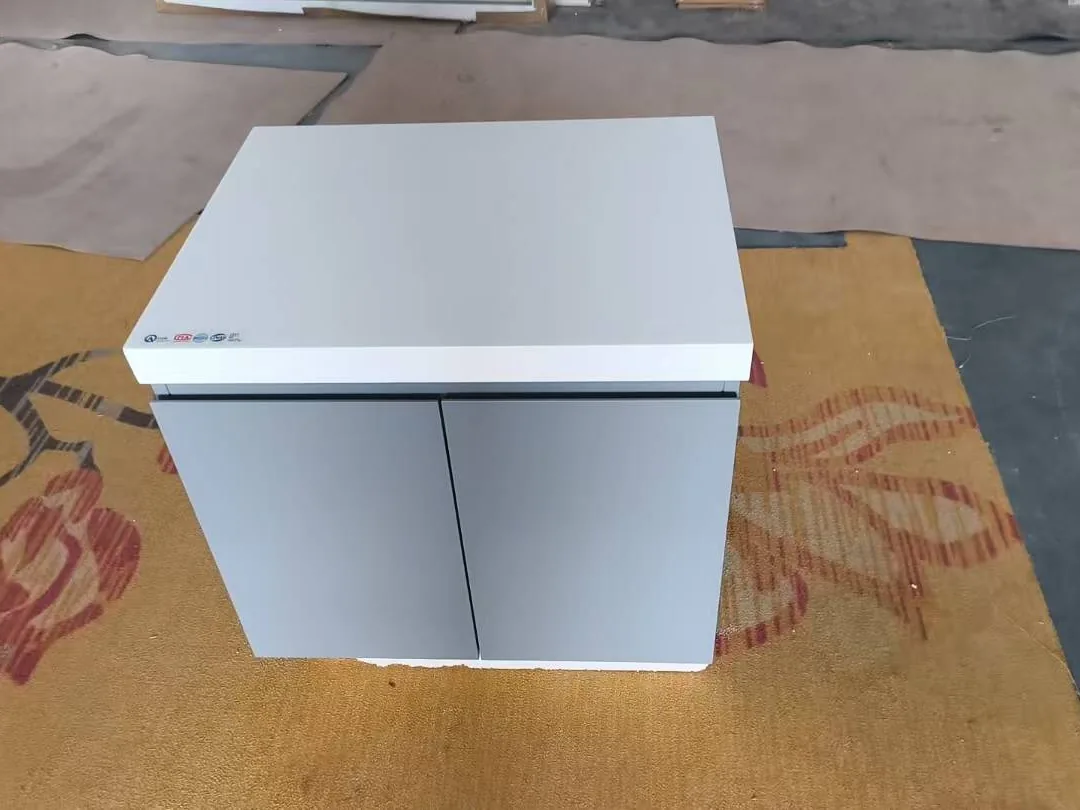
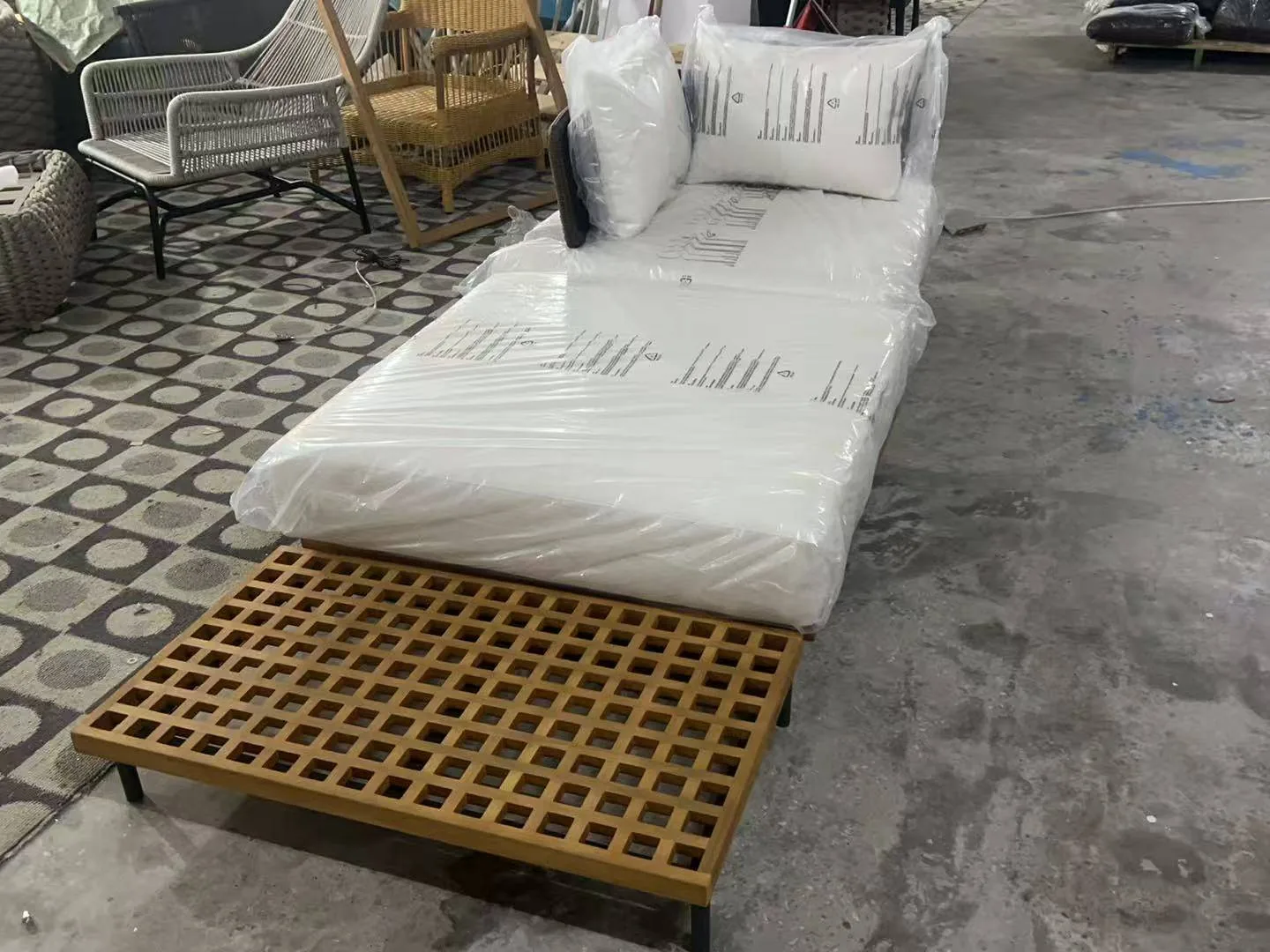
A QC trail you can actually open. Every project gets a live online QC report: dated photos, checked item by item against the PI, 2D/3D drawings, and your approved samples — before anything is loaded into a container. Recent projects (client details removed):
| Project | Year | Scope Covered by QC Records | Inspection Records |
|---|---|---|---|
| Whole-house project, Texas, USA | 2025 | Cabinetry, furniture, sanitary ware, lighting, doors & windows, tile, flooring | 121 |
| Villa project, Dubai, UAE | 2025 | Kitchen & wardrobe, furniture, lighting, tile, sanitary ware | 75 |
| Residential project, Philippines | 2025–26 | Tile, sanitary ware, lighting, doors & windows, wall panels | 43 |
| Villa project, Ghana | 2026 | Cabinetry, countertops, furniture, lighting, flooring | 24 |
| Home project, Canada | 2026 | Kitchen & wardrobe, lighting, blinds, furnishings | 8 |
What a Whole-Project Timeline Looks Like
The transparency above only works if you know the sequence. A typical whole-house package runs like this:
| Stage | Typical Timing | What You See from Us |
|---|---|---|
| Design & sign-off | Week 1–2 | 3D renderings + 2D shop drawings, revised until you approve |
| Sampling | Week 2–3 | Sample photos and videos; physical samples shipped on request |
| Production | Week 3–8 | Milestone photo updates from the factory floor |
| Pre-shipment QC | Week 8–9 | Live QC report: dated photos against PI, drawings, samples |
| Consolidation & loading | Week 9–10 | Container loading plan + photos of your goods going in |
| Sea freight | Week 10–14+ | Booking and tracking details; timing depends on destination port |
These ranges come from our recent whole-house projects; complex custom items can run longer, and your quote includes a schedule specific to your order. What matters more than the weeks is that each stage has a visible checkpoint — you never have to ask "so what's happening with my order?"
What Our QC Team Actually Checks
"121 inspection records" only means something if you know what one record contains. Each is a dated photo set against a category checklist. A sample of what that covers:
| Category | Typical Checkpoints |
|---|---|
| Cabinets & wardrobes | Dimensions vs shop drawings, door and drawer gaps, hardware brand and count vs PI, surface finish and color match, edge banding |
| Doors & windows | Frame dimensions, glass spec and tint, hardware operation, sealing strips, surface coating |
| Tile | Shade and caliber consistency across cartons, flatness, chips and cracks counted per batch, carton labels vs packing list |
| Sanitary ware | Glaze quality, flush and leak tests, fitting completeness, drop protection in packing |
| Furniture | Frame and joinery, foam density, upholstery stitching, function tests (recline, drawers, doors), color against approved swatches |
| Lighting & electrical | Wattage and voltage for your market, dimming compatibility, plug and driver type, power-on test |
Anything that fails is photographed, flagged, and corrected before loading — the failure and the fix both go into the report. That is the difference between a QC trail and a certificate wall.
Five Things to Check Before You Commit to Any Supplier
Whether you shortlist us or anyone else, these five questions separate real one-stop suppliers from trading companies with a catalog:
- Category fit. Is the category you need most made in their own factory, or resold? Ask directly — the answer changes your price and your leverage when something goes wrong.
- MOQ and mixing rules. Can categories share one container? A "low MOQ" that forces five separate shipments is not a low MOQ.
- Trade terms on the quote. EXW, FOB, CIF, and DDP prices for the same goods differ by thousands of dollars. Compare only like-for-like — the breakdown is below.
- A verifiable QC trail. Ask for inspection records from a real delivered project — dated photos, not a certificate wall. If a supplier can't show you one, that's your answer.
- Destination compliance. US-bound cabinets need CARB Phase 2 / TSCA Title VI compliant board; other markets have their own rules. Confirm who is responsible for documentation before the deposit, not at the port.
Trade Terms, Containers and Consolidation
One container, one arrival. Categories share a consolidated container — there is no fixed MOQ per category. Tile from a partner factory, furniture and cabinets from our own lines: the loading plan is worked out across factories by cubic meter, loaded once, tracked once, delivered once. One set of shipping documents covers the whole project.
Which trade term you choose changes both the price on the quote and who carries the risk at each handover:
| Term | What the Price Covers | Usually Best For |
|---|---|---|
| EXW | Goods at the factory door — you arrange and pay everything after | Buyers with their own China agent or forwarder |
| FOB | Goods loaded on board at the Chinese port — you pay main freight and destination costs | Most project buyers with a forwarder at home |
| CIF | Freight and insurance arranged to your destination port — you handle import clearance and local delivery | Buyers who want one invoice to their port |
| DDP | Delivered to your site with duties paid — you receive the goods | Buyers without import experience or an import license |
Whichever term you choose, it is stated in writing on the quote — so when you compare our numbers against a factory's, make sure you are comparing the same term. An EXW number always looks cheaper until the freight invoices arrive.
Destination Compliance: Confirm It Before the Deposit
Compliance is the item buyers most often discover too late. The common requirements by market:
| Market | Commonly Required for Furniture & Building Materials |
|---|---|
| USA | CARB Phase 2 / TSCA Title VI compliant composite wood; some states add upholstery flammability rules |
| EU | CE marking where applicable, E1 formaldehyde class for boards, REACH for chemicals |
| UK | UKCA marking, UK REACH |
| Saudi Arabia / Gulf | SASO / SABER product certificates arranged per shipment |
| Australia | WaterMark / WELS for sanitary ware, AS/NZS standards for electrical products |
Requirements change and depend on the exact product, so treat this table as a checklist of questions, not legal advice. What matters is the timing: confirm in writing who prepares which document before you pay the deposit — not when the container reaches the port.
When One Supplier Is the Wrong Answer
- You buy one category at container scale. A specialized tile or sanitary factory will beat any one-stop supplier on unit price. We are not the cheapest way to fill a 40HQ with one SKU.
- You need engineered systems. Curtain walls, structural steel, and similar engineered products belong with licensed specialists, not a building materials supplier.
- You can't review drawings and samples remotely. One-supplier projects run on confirmed drawings and approved samples. If you can't do that online, come see the work in person — our Foshan showroom is open to visiting buyers, and the Foshan building materials market guide helps you plan the trip. The Canton Fair season is the most efficient time to combine both.
What to Send Us (and What You Get Back)
- You send: floor plans or drawings, your product list or BOQ, target market, and rough timeline.
- You get back: an itemized quote on one specification sheet — same format across all categories, so comparing us against any factory quote is apples to apples — plus a project-specific schedule like the timeline above. (Our guide to reading a China cabinet quote line by line shows the method; it works for every category.)
- Before production: free 3D renderings and shop drawings for sign-off, plus samples — most small samples are usually free; you only need to pay for shipping.
- Before loading: your live QC report link with photos of your actual order, then one consolidated container.
Furnishing more than the structure? Learn more about George Group and how we work with overseas buyers.
FAQ
Is there a minimum order for a whole-house package?
No fixed MOQ per category — categories can share one consolidated container, so you don't need container-scale volume in every line. Volume discounts are available on larger packages.
How long does a whole-project order take?
Most whole-house packages run about 8–10 weeks from signed drawings to loading, plus sea freight (roughly 4–8 weeks depending on your destination port). Your quote includes a schedule specific to your project, and every stage has a visible checkpoint.
How do I follow my order's progress?
One project manager, one order file. You get milestone photo updates during production and a live online QC report before loading — you see what we see, at every step, without having to ask.
Can I get samples before placing the order?
Yes. Most small samples are usually free; you only need to pay for shipping. Larger items (like cabinet doors or tile slabs) are quoted case by case.
How do I check quality before the container ships?
Every project gets a live online QC report: dated inspection photos checked against your PI, drawings, and approved samples, uploaded by our in-house QC team before anything is loaded.
Do you deliver to my country?
We have delivered projects to more than a dozen countries, including the US, Canada, the UAE, Ghana, and the Philippines. Send us your location and product list, and we'll confirm shipping terms (FOB, CIF, or DDP) for your market.
Need the full category spread, but don't want to manage six factories? Send us the same drawings and product list you sent them — you'll get one itemized quote covering every category, one transparent process from design to loading, and an honest comparison.