Cupboard vs Cabinet: Key Differences, Materials & How to Choose
A cupboard is typically a freestanding storage piece with shelves and doors, often used in kitchens and pantries. A cabinet is usually a built-in or modular storage unit with drawers, specialized hardware, and custom finishes — common in kitchens, bathrooms, and offices. The key difference: cupboards are simpler and movable, while cabinets are integrated into the space and offer more advanced storage solutions.
What Are Cupboards and Cabinets?
Before we dive deeper, let’s first take a look at what each of them means.
What Is a Cupboard?
A cupboard is a piece of storage furniture traditionally used to store tableware, food, household items, or everyday essentials. Historically, cupboards were typically freestanding pieces of furniture with open shelves or simple doors. Today, cupboards are still widely used in kitchens, dining rooms, laundry rooms, and utility rooms.
What Is a Cabinet?
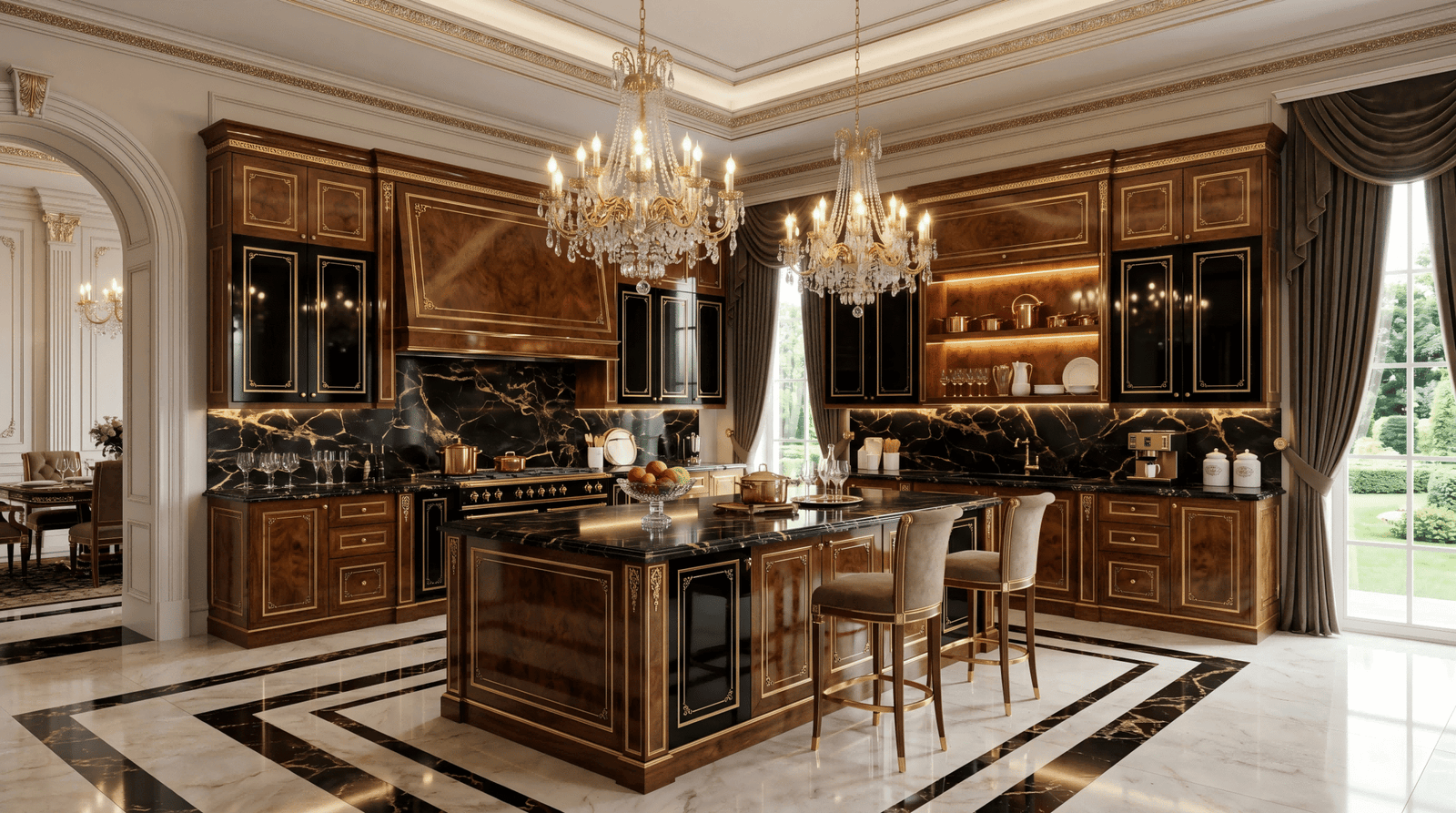
Cabinetry refers to storage units known for precise construction and sophisticated design, typically built-in to specific spaces or custom-made for specific functions. It is commonly found in kitchens, bathrooms, offices, and high-end interior design projects. Modern cabinetry typically features advanced hardware, customized layouts, decorative finishes, and specialized storage solutions.
What Are the Differences Between Cupboards and Cabinets?
Although both are used for storage, cupboards and cabinets differ in several important ways.
Appearance and Structure
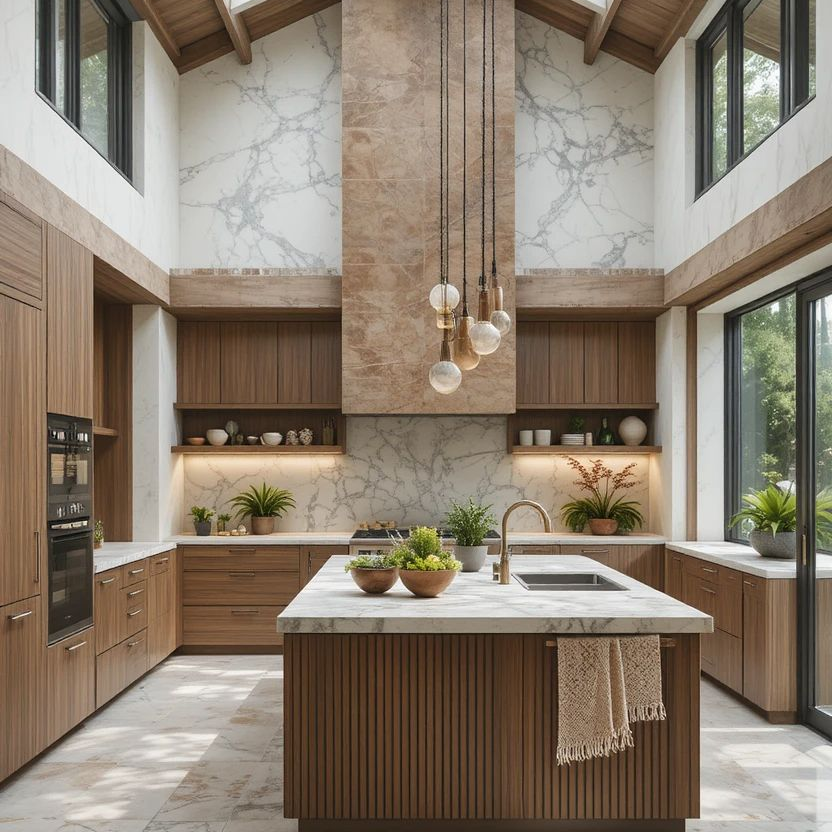
Cupboards typically feature a minimalist design and prioritize functionality. They are usually freestanding units with clean, square lines and minimal ornamentation. Cabinets (especially those in kitchens and bathrooms) feature more fluid lines, hardware that blends seamlessly with the cabinet body, and finishes that are more refined.
Storage Capabilities
Cupboards feature a simple shelving design. Simply open the door to access the items inside. Cabinets, on the other hand, incorporate more sophisticated storage solutions—such as drawers, soft-close mechanisms, pull-out trays, spice racks, cutlery organizers, and custom dividers. This makes cabinets more practical for high-traffic areas like the kitchen.
Installation Method
Cupboards can be freestanding or installed in wall recesses with simple mounting hardware. Cabinetry, by contrast, is almost always permanently installed. Kitchen cabinets must be carefully leveled, shimmed, and securely fastened to the walls and to adjacent cabinets. Because precise measurements and installation are required, this work is typically performed by professionals.
Design Flexibility
Cabinets offer greater design flexibility. They come in hundreds of door styles, finishes, materials, and layout options. Cupboards, by contrast, typically offer fewer design choices and less customization. If you’re looking for flush-mounted doors, dovetail drawers, or built-in lighting, cabinets are the ideal choice for these upgrades.
Base Price and Budget Estimate
When evaluating project costs, there are significant differences in the pricing logic between the two approaches:
| Dimension | Cupboard | Cabinet |
|---|---|---|
Pricing Method |
Priced per piece |
Priced per linear foot or module |
Installation Cost |
Low |
Higher, requires professional installation |
Average Price |
$500–$3,000+ per unit |
$200–$1,200+ per linear foot |
Investment Value |
Movable furniture, limited resale impact |
Built-in feature that can increase resale value |
What Are the Features of Cupboards and Cabinets?
Both cupboards and cabinets have their own unique features; you can choose which to buy based on your specific needs.
Features of Cupboards
- Simple Storage Solution: Cupboards are practical and easy to use for everyday storage needs.
- Flexible Placement: Many cupboards can be moved or repositioned without major renovation work.
- Traditional Visual Appeal: Cupboards often create a warm and familiar atmosphere, especially in classic interiors.
Budget-Friendly Option: They are usually more affordable than fully customized cabinetry systems.
Features of Cabinets
- High Space Efficiency: Cabinets maximize vertical and horizontal storage space more effectively.
- Better Organization: Modern cabinets are designed with compartments, drawers, pull-outs, and organizers.
- Stronger Design Integration: Cabinets become part of the architectural structure of a room.
- Greater Customization: Better customization options for design, materials, style, color, features, and more
Common Materials Used for Cupboards and Cabinets
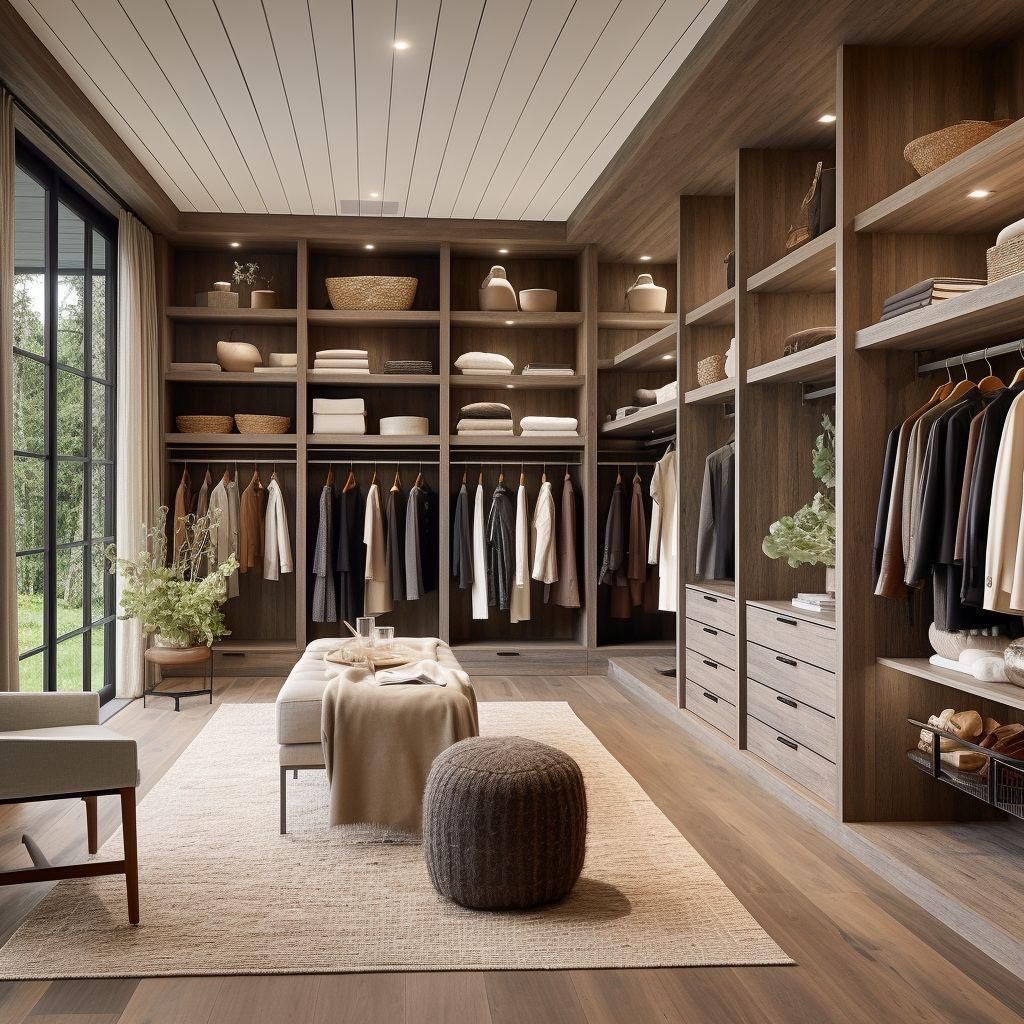
The choice of materials affects the durability, appearance, and future maintenance of cabinets and cupboards. Below are the most commonly used materials for cabinets and cupboards.
Common Cupboard Materials
- Solid Wood — Traditional material with a natural appearance and strong structure.
- MDF — Smooth engineered wood commonly used for painted finishes.
- Particle Board — Budget-friendly material often used in affordable storage furniture.
- Plywood — Lightweight and durable material with good moisture resistance.
- Metal — Common in industrial or utility-style cupboards.
- Glass Panels — Frequently used for decorative cupboard doors or display storage.
Common Cabinet Materials
- Solid wood—a traditional material with a natural appearance, such as cherry, walnut, hickory, white oak, and maple.
- Plywood — Widely used for cabinet boxes due to its strength and stability.
- MDF — Common for modern cabinet doors and painted surfaces.
- Laminate — Durable surface material available in various textures and colors.
- Thermofoil — Vinyl-coated material often used for sleek contemporary cabinet doors.
- Stainless Steel — Frequently used in commercial or modern industrial kitchens.
- Glass-Front Panels — Used to create a more open and decorative cabinet design.
What are the different types of cupboards and cabinets?
Common Types of Cupboards
- Pantry Cupboards: Used for storing dry food and kitchen supplies.
- Linen Cupboards: Typically installed in hallways or bathrooms for towels and bedding.
- Utility Cupboards: Designed for cleaning tools and household equipment.
- Freestanding Kitchen Cupboards: Movable storage furniture for flexible layouts.
- Corner Cupboards: Designed to utilize unused corner space.
Common Types of Cabinets
- Base Cabinets: Installed on the floor and support countertops.
- Wall Cabinets: Mounted above counters for upper-level storage.
- Tall Cabinets: Full-height cabinets commonly used for pantry storage.
- Vanity Cabinets: Bathroom storage units combined with sinks.
- Display Cabinets: Feature glass doors for showcasing decorative items.
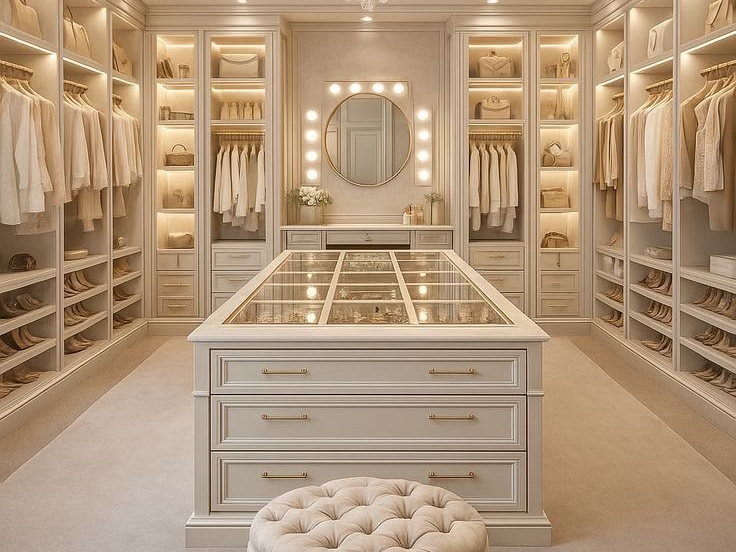
- Custom Cabinets: Tailor-made solutions designed specifically for a room layout.
Regional Differences: UK vs US Usage
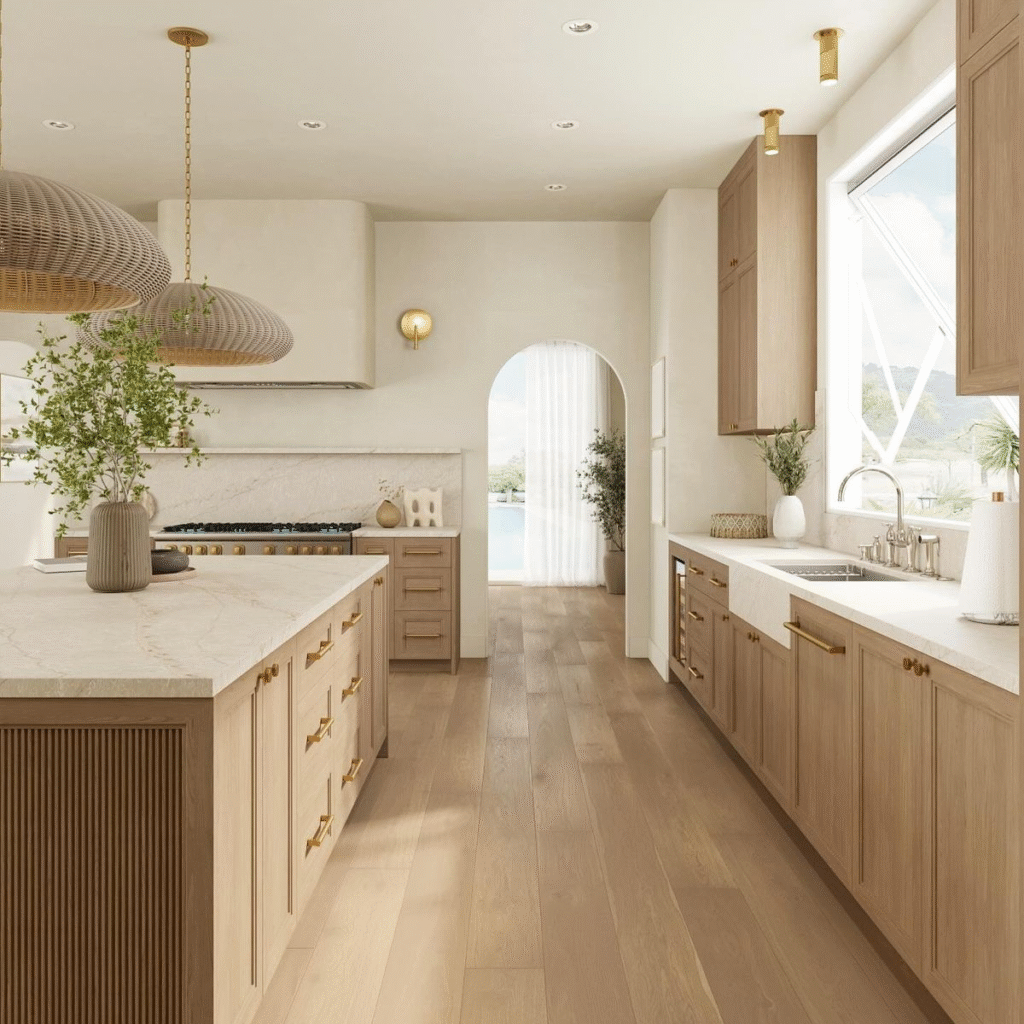
In British English, “cupboard” is the everyday term for any enclosed storage unit, including what Americans call “kitchen cabinets.” In American English, “cabinet” is the standard term for built-in kitchen and bathroom storage, while “cupboard” usually refers to a freestanding piece or a small closet. This regional difference is why the two terms often cause confusion for international buyers.
Which One Should You Choose?
When making a decision, the key lies in your spatial planning goals and long-term lifestyle.
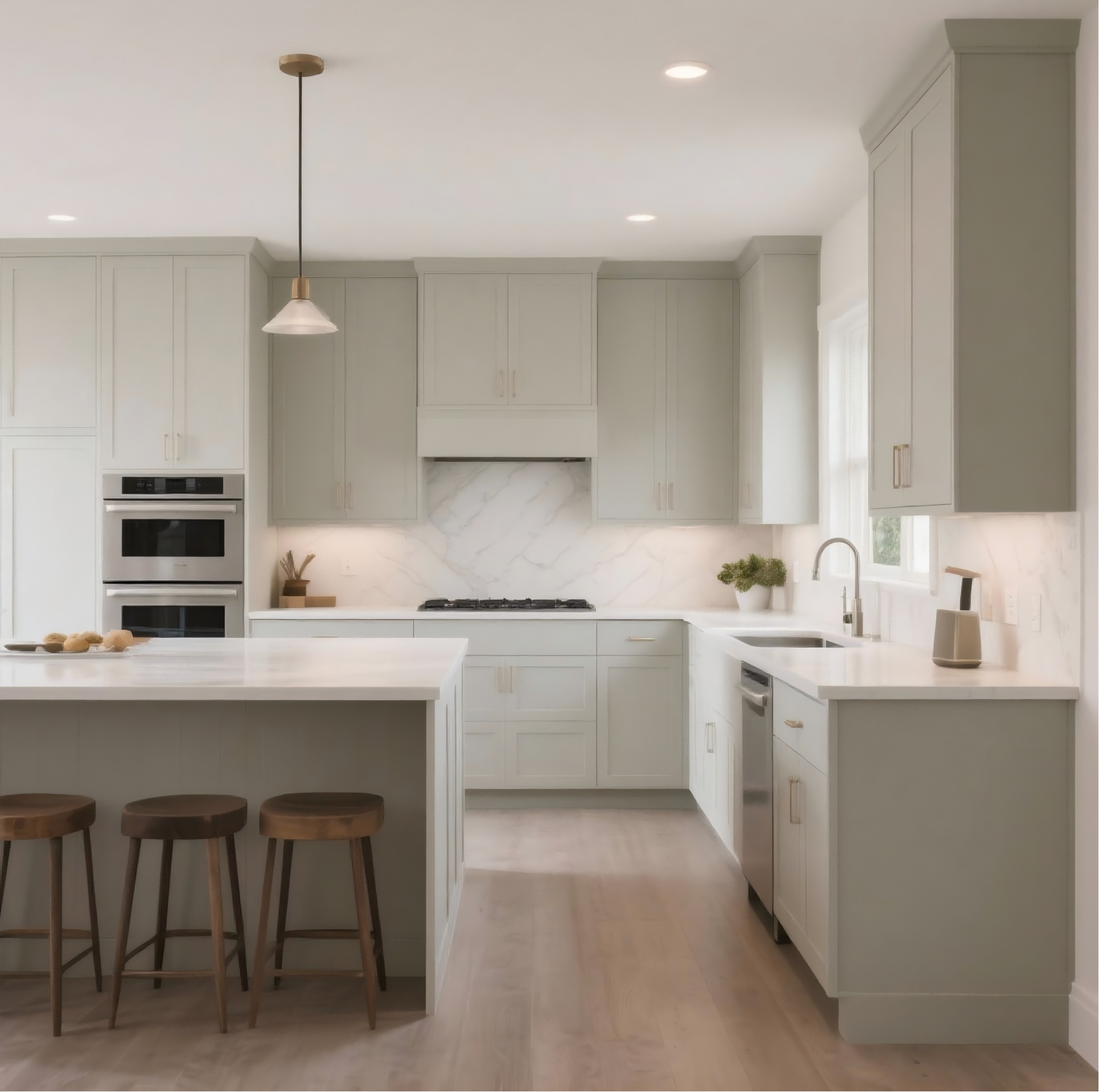
- If your space is limited or you wish to create a modern cooking environment, a modular cabinet system is a more sensible investment. It maximizes space utilization and enhances your home’s overall quality through a unified design aesthetic.
- If you have a spacious country-style kitchen or wish to add personalized elements to an existing standard kitchen, adding a well-crafted freestanding cabinet is a highly thoughtful interior design strategy.
- In high-end interior design practice, designers often combine the two: using a cohesive cabinet system to meet basic storage needs, while placing a cupboard with a contrasting color scheme in a corner of the dining room or hallway to break up the monotony.
If you’re still having trouble deciding, check out our cabinetry page for inspiration, or contact us for a free consultation.
FAQ
Q1:Are kitchen cabinets better than kitchen cupboards?
A: Kitchen cabinets usually offer better organization, durability, and design flexibility. However, cupboards can still work well for traditional or budget-friendly kitchens.
Q2:Which is more expensive: cupboards or cabinets?
A: Cabinets are generally more expensive because they often include custom sizing, advanced hardware, and higher-end materials.
Q3:What material is best for kitchen cabinets?
A:Plywood and solid wood are among the most durable options for kitchen cabinets. MDF is also widely used for painted finishes and modern designs.
Q4:Are custom cabinets worth it?
A: I believe it’s worth it—a high-quality, custom-designed cabinetry system delivers a superior experience that lasts. If you’re unsure where to find high-quality custom cabinetry, feel free to contact YOLODECO for a free consultation—we’re global experts with 20 years of experience in custom design.
Q5:Is a cupboard the same as a pantry?
A: Not exactly. A pantry is a dedicated storage room or closet for food, while a cupboard is a cabinet piece that can store food, dishes, or linens.
Q6:What is a cupboard called in American English?
A: In the US, built-in kitchen storage is usually called “cabinets.” The word “cupboard” is less common and typically refers to a freestanding piece.